
Twelve million people watched the premiere. There's a reason for that.
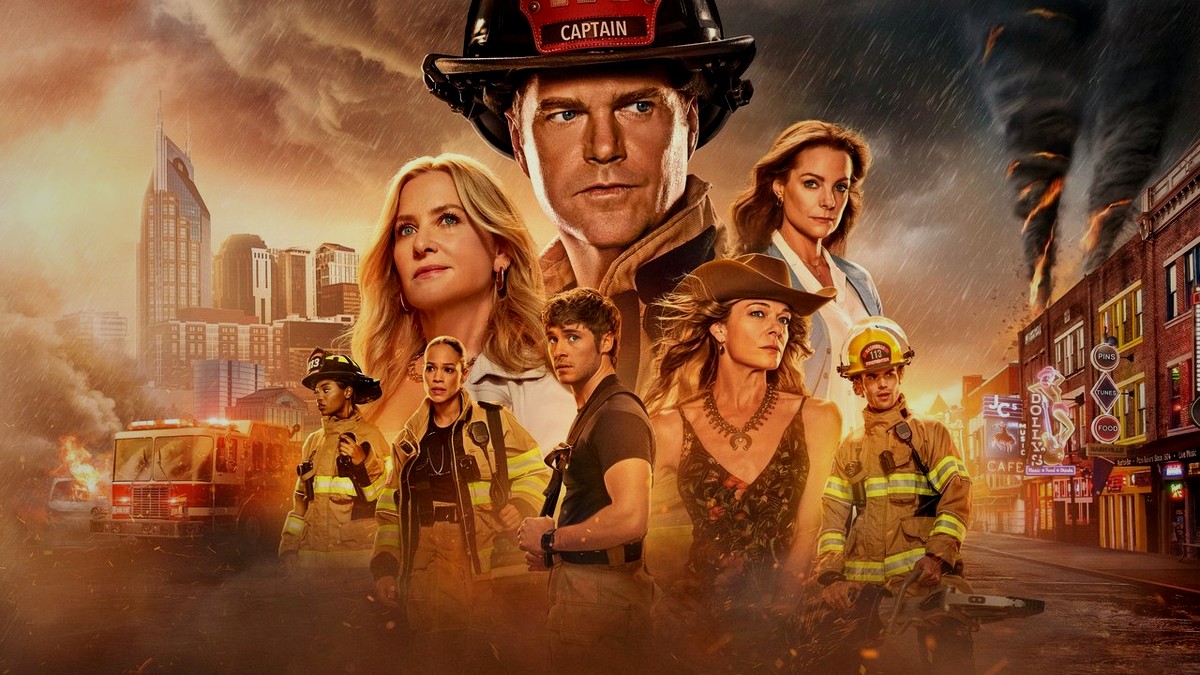
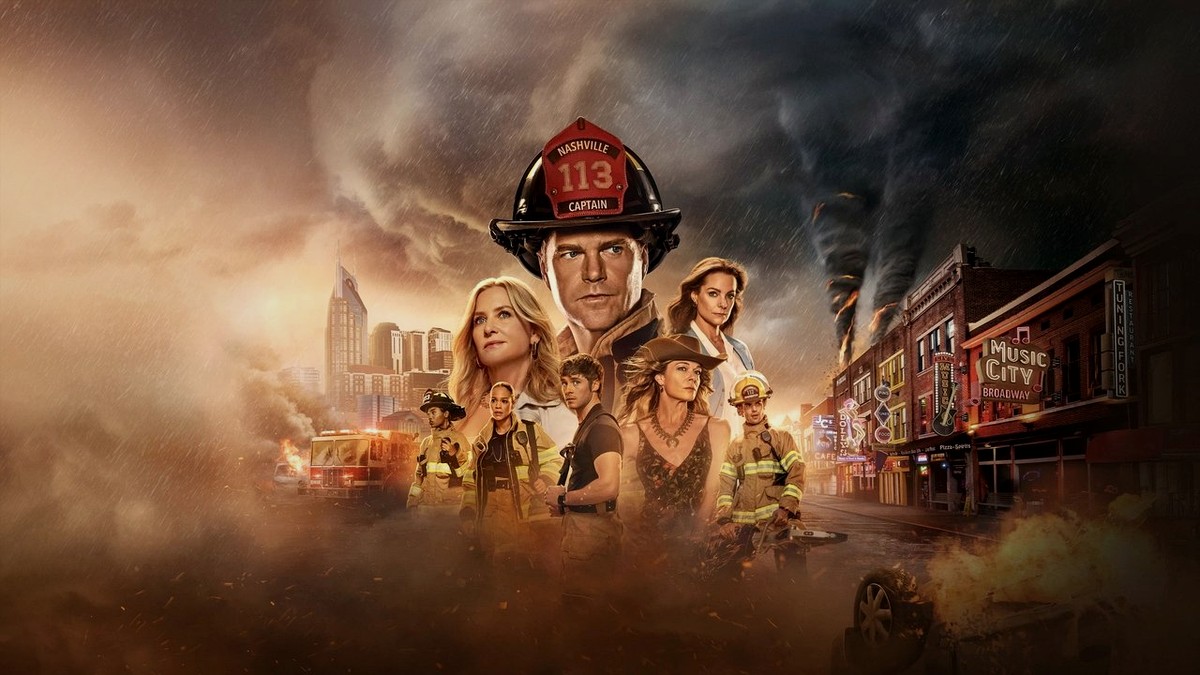
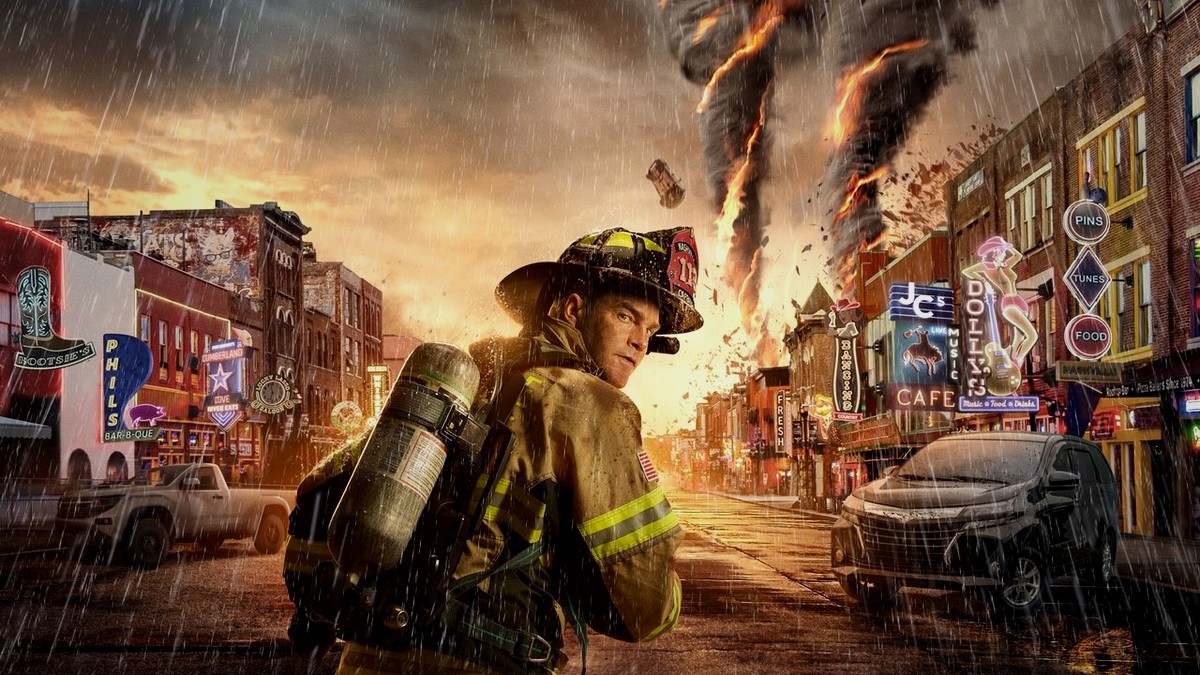
9-1-1: Nashville wrapped its 18-episode first season on May 7. It got renewed in March, three months into its run, which is the network equivalent of a standing ovation before the show is half over. Chris O'Donnell, Jessica Capshaw, LeAnn Rimes, and Kimberly Williams-Paisley anchor the third entry in Ryan Murphy and Tim Minear's first-responder universe, this one set in Nashville with a country-music aesthetic baked into the DNA.
The verdict: this is exactly what you came for. Whether that's enough depends on whether you like the franchise.
The Setup
Captain Don Hart (O'Donnell) runs the 113, Nashville's busiest firehouse, alongside his "beloved son" Blue (Hunter McVey, a country music newcomer making his acting debut). Don's wife Blythe (Capshaw) is the picture of Nashville old-money charm. Their other son Ryan (Michael Provost) is in the firehouse too. It's a family-business operation with a Southern gothic gloss.
The first episode reveals the show's central engine. Don has a secret son. The boy he's calling his "beloved son" is actually the result of an affair with country star Dixie (LeAnn Rimes), who returns to town to complicate everything. The paternity reveal in the pilot trailer was the kind of soapy stake-setting that Ryan Murphy shows do better than almost anyone. By Episode 5, the secret is starting to crack. By the finale, the family is in pieces.
That's the family-drama track. The other track is the procedural, the rescue-of-the-week structure that the original 9-1-1 perfected on Fox and that Lone Star ran with on its own. A water park accident. A sorority house catastrophe. A music-festival tragedy involving a famous country star whose name has been changed for plausible deniability. The 9-1-1 universe specializes in disasters that feel like they cost twice the network budget, and Nashville delivers.
What Works
The cast is the heaviest reason. Chris O'Donnell hasn't carried a network drama since NCIS: Los Angeles wrapped, and watching him in lead-of-an-ensemble mode again is a reminder that he's a more interesting actor than the procedural format usually gives him credit for. He plays Don as a guy who built his life on a lie and has spent twenty years pretending the math adds up. That's a heavy thing to carry in a show that also has to do a sorority-house fire.
Jessica Capshaw is the season's surprise. After 11 seasons on Grey's Anatomy as Arizona Robbins, she could have phoned this in. Instead, Blythe is one of the more interesting matriarchs on network TV. Capshaw plays her as someone who knows more than she lets on, runs the family with surgical precision, and is two reveals away from blowing up the entire show. The arc where Blythe starts digging into Blue's background is the strongest material the show gave anyone in Season 1.
LeAnn Rimes is doing real acting. She's not the lead, but Dixie has more screen time and more interior life than most musician-stunt-cast roles get. The country songs are real. The performances of those songs are integrated into emotional turning points without being too on-the-nose. Most of the time.
The procedural elements are crisp. Tim Minear has been doing this for a decade now, and the disaster setpieces have the same precision-engineering as the flagship show. There's a sorority-house fire in Episode 5 that's one of the best-staged rescue sequences the franchise has produced. The water park episode is exactly as fun as a water park episode should be.
Hunter McVey, in his first acting role, has good chemistry with O'Donnell. Whether he can carry his own scenes by Season 3 is an open question, but Season 1 doesn't ask him to do more than he can.
What Doesn't
The Nashville-ness can feel performative. Some episodes drop song cues like a tourist brochure. The boots-and-honky-tonk visual shorthand gets repetitive. The show is at its best when Nashville is a place where people happen to live, not a place where the camera keeps reminding you it's Nashville.
The procedural-to-family-drama ratio sometimes wobbles. The first half of the season front-loads the family arc and back-burners the firehouse. The back half corrects, but the imbalance is noticeable on a binge watch.
Ryan (Provost) is the season's underused asset. The other son who's living in Blue's shadow has real story potential and the show doesn't quite know what to do with him. Season 2 has a chance to fix this.
The 9-1-1 mothership crossover episodes feel obligatory rather than organic. Lone Star only did one full crossover in five seasons. Nashville is doing more, and the connective tissue feels thinner each time.
The Big Swing Pays Off
The paternity arc is the entire engine of the season, and it pays off. The finale, "Intrusive Thoughts," reveals to Blue that Don isn't his biological father, with Blythe choosing to be the one who delivers the news rather than Don. It's the kind of scene the show has been building toward for 18 episodes, and Capshaw and McVey play it with the right level of restraint. The aftermath sets up Season 2 as a show that has to reset its family dynamics from scratch, which is actually the most interesting place a soap can be.
Ratings and Renewal
The pilot drew 12 million viewers in seven-day cross-platform numbers. That's blockbuster procedural territory. The show was renewed on March 5, less than five months after the premiere. Season 2 begins in the fall as part of ABC's 2026-27 lineup.
So Is It Worth Watching?
If you're already in on the 9-1-1 universe, yes. This is the strongest 9-1-1 spinoff. Lone Star had its charms but never quite found a tone separate from the flagship. Nashville has a tone, country gothic soap with rescue-of-the-week energy, and it's working.
If you've never watched a 9-1-1 show, this is a reasonable entry point. You don't need to know who Buck is. You don't need to know Athena Grant's backstory. Nashville's family drama is self-contained enough that the franchise context is a bonus rather than a requirement.
If you're someone who finds the 9-1-1 formula manipulative and tonally chaotic in the worst way, Nashville will not change your mind. It's the same formula in a cowboy hat.
Where to Watch
9-1-1: Nashville airs Thursdays at 9 p.m. ET on ABC, with next-day streaming on Hulu. Season 2 premieres in fall 2026.
Final Score
A confident first-responder soap with a country-music spine and a knockout Jessica Capshaw performance.