
Some movies need time. Not more polish, not a better trailer — just time for audiences to catch up.
The films below all flopped. All of them are now the kind of movies people recommend like a personal favor. Here's what happened.
01
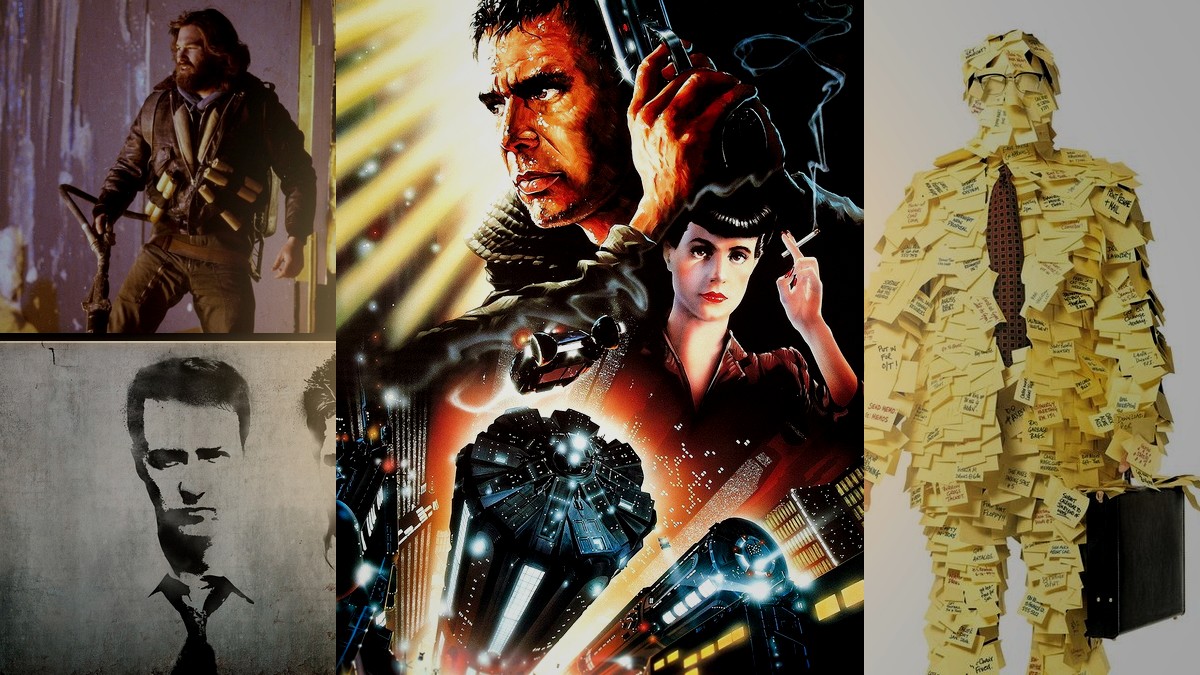
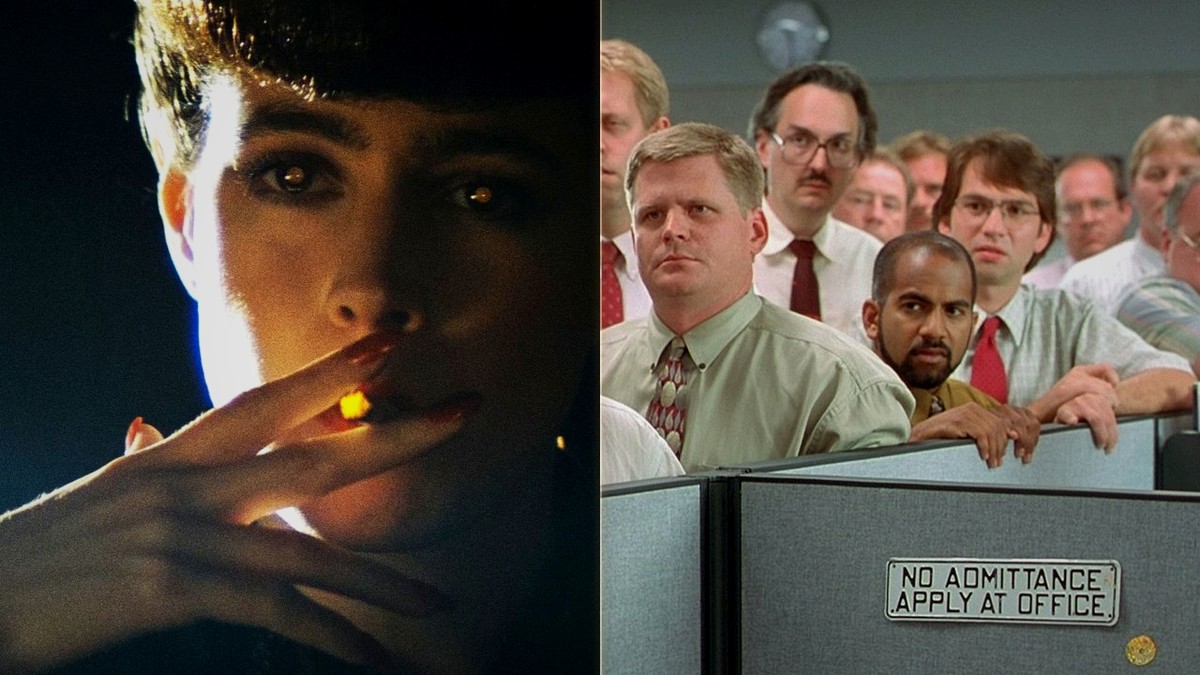
Blade Runner (1982) — The One That Invented the Genre It Failed In
Ridley Scott's cyberpunk noir opened in June 1982 and made $41.8 million worldwide on a reported $30 million budget. No profit. Variety's original review admired the visuals and then predicted it would be "tough to recoup" costs because of its "unrelenting grimness and vacuum at the story's center." They were right about the box office. They were spectacularly wrong about everything else.
Harrison Ford didn't even like making it. When asked whether he liked the film two days before release, he reportedly answered, "That's not a fair question." The studio bolted on a narrator to make the plot clearer. Scott hated it. The narration got cut in the 1992 Director's Cut and then again in the 2007 Final Cut, which is the version most people watch now.
What happened in between was that the movie built a following through home video, where people could watch it slowly, rewind it, and argue about whether Deckard is a replicant. It rewards that kind of attention. It doesn't really reward watching it once in a summer-blockbuster headspace while hoping for another Star Wars.
One detail worth noting: the same weekend Blade Runner opened, John Carpenter's The Thing opened in the same theaters and also bombed. June 25, 1982 was a brutal day for films that would later be considered classics.
02
The Thing (1982) — Mauled by Critics, Now in a Different Tier Entirely
The Thing made $19.6 million on a $15 million budget. After marketing costs, a loss. Cinefantastique magazine put it on the cover with the question: "Is this the most hated movie of all time?" Roger Ebert gave it two and a half stars and called it "a great barf-bag movie." A trade publication called it "instant junk." Carpenter was subsequently fired from his next project and bought out of a multi-picture deal.
The timing didn't help. E.T. opened a few weeks earlier and was on its way to becoming the highest-grossing film of all time — a record it held for 15 years. The Thing is grim, paranoid, and ends without resolution. Nobody wanted that in the summer of 1982.
The culture shifted. Rob Bottin's practical effects work — which still holds up by any standard — became legendary. The paranoia at the film's center, which felt nihilistic in 1982, reads now as something genuinely unsettling in a way polished studio horror rarely achieves. Carpenter himself has said in interviews he remained bitter about the original reception for decades, even after the film had become beloved.
It's now routinely ranked among the best horror films ever made. Same film. Unchanged.
03
The Big Lebowski (1998) — The Flop That Spawned a Religion
Coming off the critical success of Fargo, which won two Oscars and made $60 million worldwide: the Coen brothers released The Big Lebowski to middling reviews and $19.5 million in domestic box office on a $15 million budget. Gene Siskel called the humor "uninspired." USA Today said Jeff Bridges' The Dude was "too passive a hero to sustain interest." The Guardian called the film "infuriating."
Part of the problem was expectations. Audiences wanted another Fargo — dark, taut, Oscar-worthy. What they got instead was a shaggy stoner mystery about a rug, nihilists, and a bowling tournament. The Coens also had the bad luck of opening against Titanic still dominating theaters in March 1998, pulling over $95 million that month alone.
What happened next was slower and stranger. Midnight screenings started filling up. Cable picked it up. People watched it twice, three times, and started quoting it at each other. Roger Ebert, who gave it three stars in 1998, revised his rating upward to four stars in 2010. There is now an annual Lebowski Fest held in multiple cities. There is a real religion called Dudeism, modeled on the Dude's philosophy of maximum ease, with over 600,000 ordained ministers. The White Russian — not exactly a fashionable cocktail before 1998 — became a bar staple largely because of this film.
Jeff Bridges, appearing on a podcast in recent years, said he was genuinely surprised the movie underperformed. "My first impression was it was a great script," he said. He wasn't wrong. The rest of the world just needed a few years.
04
Fight Club (1999) — The DVD Saved It
David Fincher's adaptation of Chuck Palahniuk's novel had a $63–65 million budget, a wide release from 20th Century Fox, and Brad Pitt and Edward Norton at the height of their careers. It opened to $11 million in its first weekend. It made $37 million in the U.S. total — about 57 cents on the dollar domestically. Roger Ebert gave it two stars and called it "a celebration of violence." The Los Angeles Times critic Kenneth Turan was so hostile that Fincher reportedly sent him a letter in response.
Edward Norton has a clear theory about what went wrong: the studio was uncomfortable with the film and pulled back the marketing. "I think there was a reluctance on the part of some of the people who were actually marketing it to embrace the idea that it was funny," Norton said in 2019. The film is genuinely funny, in a way the marketing mostly wasn't.
What changed everything was the DVD. Fincher personally supervised a two-disc special edition released in summer 2000 — commentary tracks, alternate angles, supplemental material — and the film found its audience through home video in a way it never did in theaters. It sold 13 million copies. The New York Times called it "the defining cult movie of its generation" (not quite the same as the old article but close; let me check the new text again). The New York Times called it "the defining cult movie of our time" on its tenth anniversary. Ebert revisited it over the years and softened his view considerably.
Not a flop in the end. Just a flop with a long fuse.
05
Donnie Darko (2001) — Crushed by Terrible Timing
Richard Kelly's debut made $515,375 in U.S. theaters on a $4.5 million budget. It came close to going straight to video. Two things worked against it before it even opened.
First, Columbine. The film centers on a troubled teenager, and distributors were nervous about the subject matter in the aftermath of 1999. Then, weeks before its October 2001 release, the September 11 attacks happened. Donnie Darko opens with a jet engine crashing from the sky. Nobody wanted to watch that in late 2001.
Kelly later said: "It was destined to fail. And it did fail. But time heals wounds."
The film had actually gotten considerable acclaim at Sundance in January 2001. Christopher Nolan saw it, raved about it, and pushed Newmarket Films to pick it up. They did, reluctantly, for a small theatrical release — which then quietly tanked.
Home video changed the story. The DVD made over $10 million. The film became a cult sensation in the UK first, where "Mad World" — Michael Andrews' cover of the Tears for Fears song used in the film's final sequence — hit number one on the UK Singles Chart in December 2003. That success fed back into the U.S. market and by the mid-2000s, Donnie Darko was the defining film for a generation of precocious teenagers trying to figure out time travel, teenage alienation, and giant rabbit suits. Kelly called it the first "flop" to receive a director's cut — which happened in 2004, three years after the original release.
06
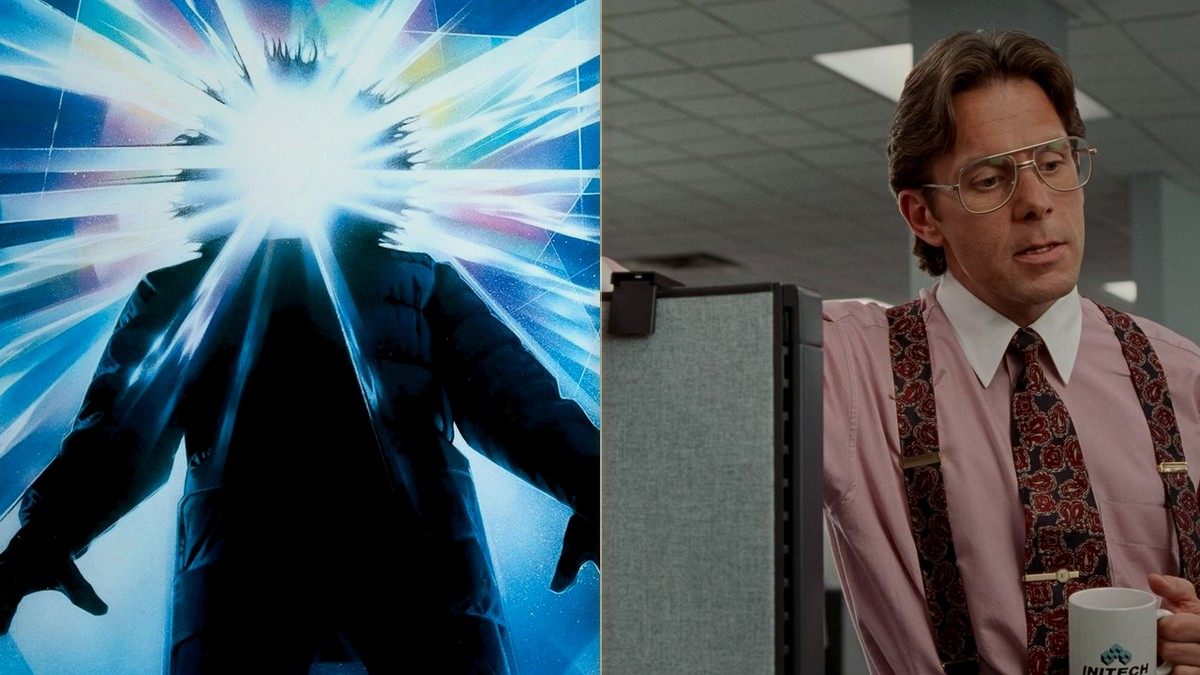
Office Space (1999) — A Fox Executive Told Mike Judge Nobody Wanted to See It
Mike Judge made Office Space for $10 million. It grossed $10.8 million. After marketing costs, a loss. The studio pulled it from distribution after a short run. According to Judge, a Fox executive told him afterward: "Nobody wants to see your little movie about ordinary people and their boring little lives."
That sentence has aged poorly.
Judge himself thinks the film was simply hard to sell. "It was a hard movie to make a trailer for — hard to market in general," he told Variety on the film's 20th anniversary. "And the trailer wasn't great. I mean, it was a weird movie at the time."
He first noticed the turnaround happening when he overheard strangers talking about Office Space at a Blockbuster in Austin. Then the actors started getting recognized. Comedy Central began airing it regularly in 2001, and it ran more than 30 times over the following two years. The film's cultural footprint grew so large that Swingline — which hadn't made a red stapler before the film came out, because the prop department had simply painted one red — started manufacturing and selling a "Rio Red" model in response to customer demand.
The film is now the go-to reference for anyone who has ever sat through a meeting about TPS reports, been managed by someone named Bill Lumbergh, or fantasized about destroying a printer with a baseball bat in a field. That's most of us.
Why This Keeps Happening
The pattern is remarkably consistent. The film is too something — too bleak, too weird, too hard to reduce to a thirty-second trailer. The studio gets nervous and undersupports it. It opens soft. It gets written off.
Then it finds its audience on cable, VHS, DVD, and later streaming — an audience that can watch on their own terms, pause, rewatch, and recommend it to a friend. That low-friction, repeat-viewing environment is exactly what these films were built for. Opening weekend at a summer multiplex was simply the wrong delivery mechanism.
None of the films on this list are cult classics despite bombing. They're cult classics partly because of whatever made them bomb — the uncompromising weirdness or bleakness that confused audiences in 1982 or 1999 is the same quality that makes the film worth returning to twenty years later. Crowd-pleasers are easy to watch once and forget. These aren't.
More back-catalog films worth your time: Underrated 90s movies you probably skipped and Revisiting Heat (1995): does it still hold up?
Sources: Box Office Mojo; IMDb; Wikipedia; Variety on Blade Runner (2017); Screen Rant on The Thing (2019); The Hollywood Reporter on The Big Lebowski 25th anniversary; Looper on Fight Club; No Film School oral history of Donnie Darko; Variety on Office Space 20th anniversary