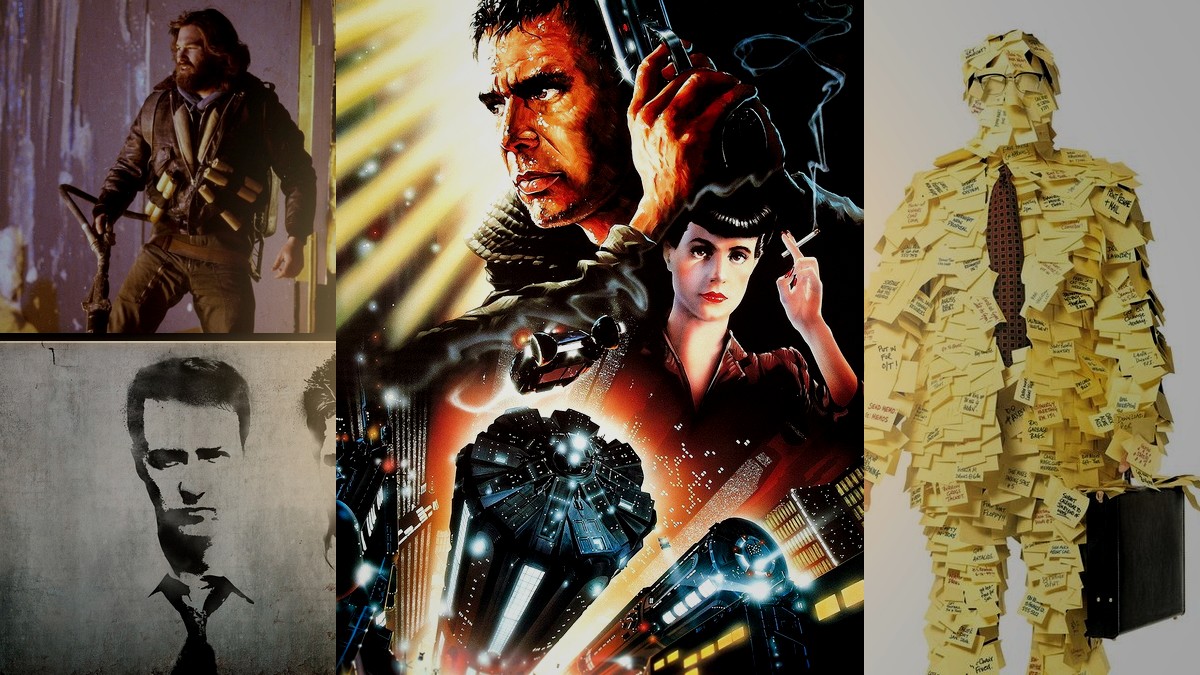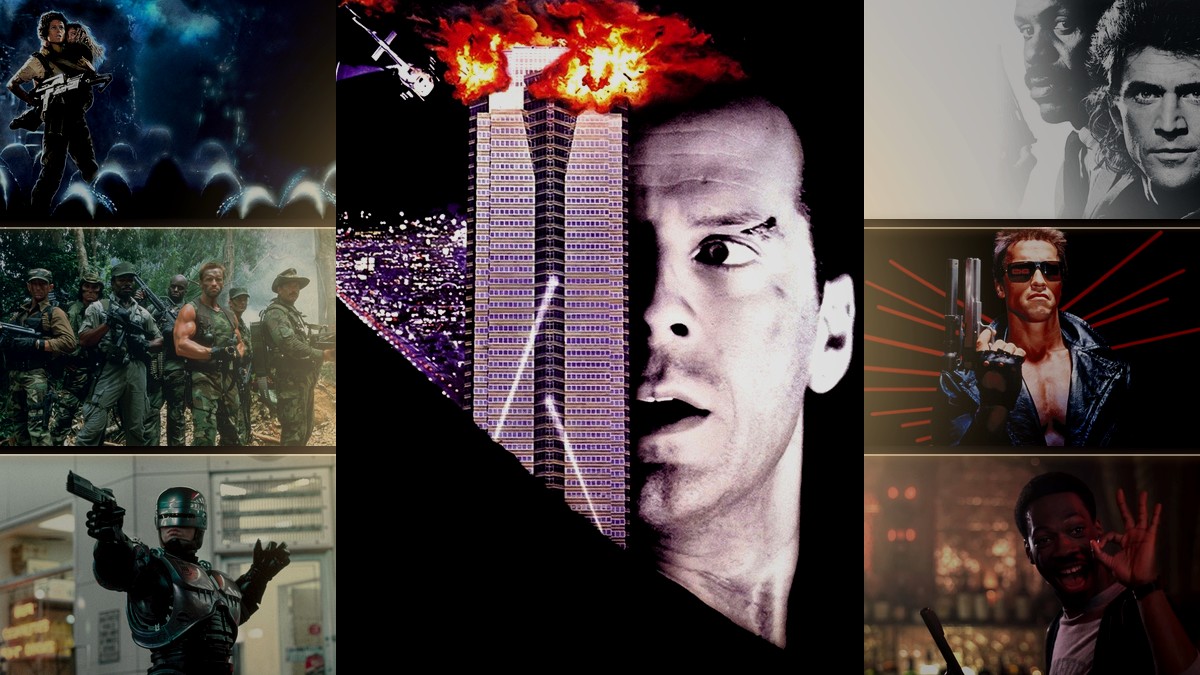

The 80s was the best decade for sci-fi cinema, and the conversation about it has narrowed over time. Blade Runner, The Empire Strikes Back, Aliens, E.T., Back to the Future, The Thing — these films get all the oxygen, and they earn it. But a generation of equally interesting sci-fi films from the same decade have quietly fallen out of the conversation.
Most "underrated 80s sci-fi" lists then fail by including the same canonized cult films (Brazil is on every list and is no longer underrated). Here are seven that genuinely fit the word in 2026 — films with critical pedigree, real influence, and a smaller audience than they deserve.
At a Glance
- They Live (1988) — John Carpenter
- Brazil (1985) — Terry Gilliam
- Repo Man (1984) — Alex Cox
- The Adventures of Buckaroo Banzai Across the 8th Dimension (1984) — W.D. Richter
- Akira (1988) — Katsuhiro Otomo
- Miracle Mile (1988) — Steve De Jarnatt
- Scanners (1981) — David Cronenberg
01
They Live (1988)
John Carpenter's most politically explicit film. Roddy Piper plays a drifter named Nada who finds a pair of sunglasses that reveal the truth about American society — that the wealthy class are actually skull-faced aliens, and that subliminal messages in advertising and TV are conditioning the population to obey, consume, and stay asleep.
This is genuinely one of the smartest sci-fi premises any major filmmaker has put on screen, and Carpenter executes it with his signature efficiency. The six-minute alley fight between Piper and Keith David — over whether or not Piper's character will put on a pair of sunglasses — is one of the great absurdist action sequences in any 80s film.
The political reading of the film has only sharpened with time. Carpenter himself has been clear in interviews that They Live is, in his words, "a documentary." It plays that way more in 2026 than it did in 1988.
Watch on Max.

02
Brazil (1985)
Terry Gilliam's dystopian satire about a low-level government bureaucrat (Jonathan Pryce) who escapes the monotony of his totalitarian world through daydreams of being a winged hero rescuing a woman from danger. When the woman turns out to be real, the bureaucracy notices, and the film becomes much darker.
Universal famously tried to recut the film for an American release with a happier ending. Gilliam fought for the original cut and won (mostly). The director's-cut version is the one that runs 142 minutes and ends in genuine despair, and it's the version every serious sci-fi fan should see.
The film's influence runs through The Matrix, Children of Men, Black Mirror, every dystopian piece of TV in the last 25 years. Gilliam's specific aesthetic — the analog technology, the absurd uniforms, the layered decay — became a permanent part of the visual language of dystopian sci-fi.
Streaming locations rotate. Currently rentable on Amazon and Apple TV; available with a Criterion Channel subscription.
03
Repo Man (1984)
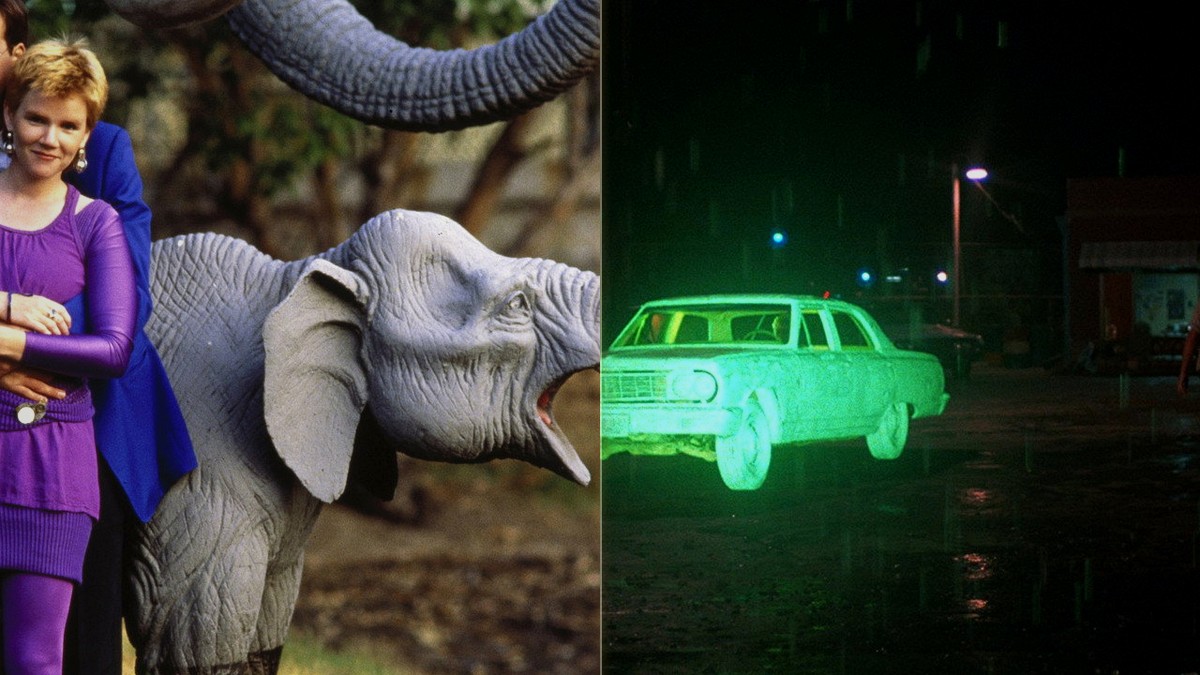
Alex Cox's punk-rock noir, in which a young Los Angeles slacker (Emilio Estevez) takes a job repossessing cars and gets pulled into a citywide hunt for a Chevy Malibu with something glowing in the trunk. Harry Dean Stanton plays the older repo man who teaches Estevez the trade. The Circle Jerks show up. There's a side plot about a televangelist nuclear conspiracy.
This is one of the most distinctly 80s films ever made, and most modern viewers haven't seen it. The soundtrack is its own argument for the film — Iggy Pop, Black Flag, Suicidal Tendencies, the Plugz — and the visual texture of early-80s LA is so specific that the film functions partly as a documentary of a city that no longer exists.
Cox never quite duplicated this film's energy. Most of his career since (Sid and Nancy, Walker) has been more conventional. Repo Man was a weird, perfect lightning strike.
Streaming via Criterion Channel; rentable on Amazon and Apple TV.
04
The Adventures of Buckaroo Banzai Across the 8th Dimension (1984)
W.D. Richter's genre-bending oddity, in which Peter Weller plays a brain surgeon, particle physicist, race car driver, rock star, and superhero who has to stop a race of evil aliens from triggering an interdimensional war. John Lithgow plays the villain, in one of the most committed performances of his career. Jeff Goldblum, Christopher Lloyd, and Ellen Barkin co-star.
The film is structured as if it's the second installment of a beloved franchise that doesn't actually exist. Characters reference past adventures the audience never saw. The end credits promise Buckaroo Banzai Against the World Crime League. The film bombed in theaters and the sequel never happened.
What makes Buckaroo Banzai essential is its specific texture of "we made the most fun thing we could think of and we don't care if it makes commercial sense." Almost no studio film since has had this kind of confidence in its own weirdness. Wes Anderson's career is partly a continuation of Buckaroo Banzai's tonal experiment.
Rentable on Amazon, Apple TV, and Fandango at Home.
05
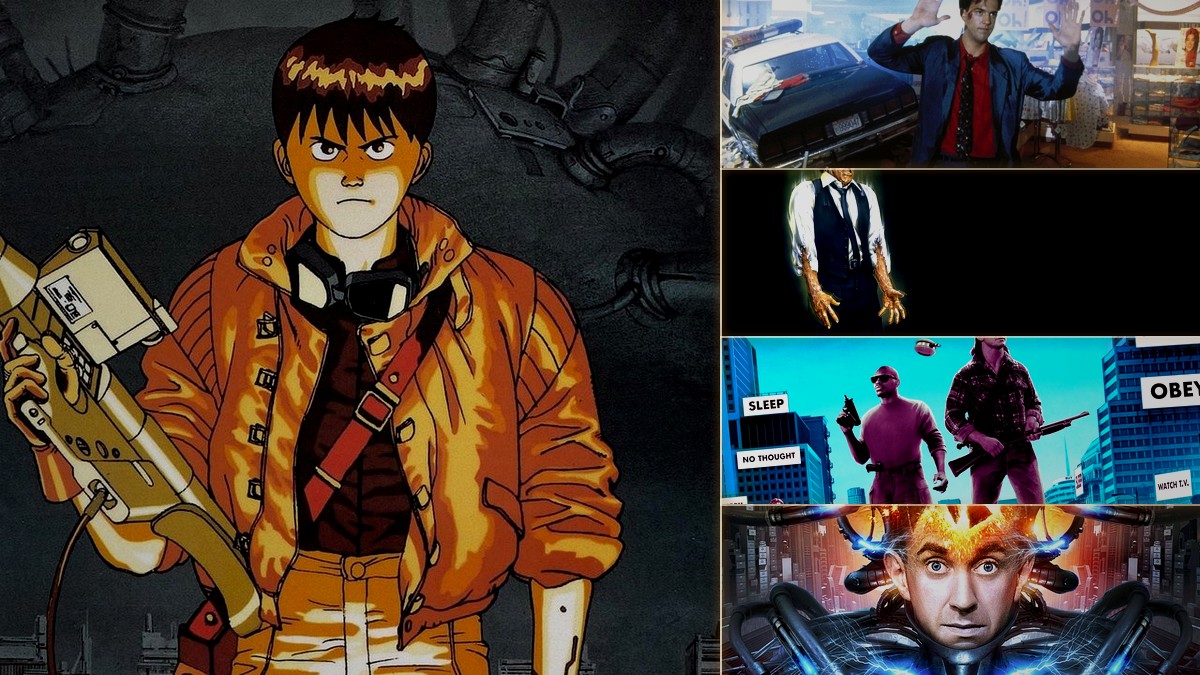
Akira (1988)
Katsuhiro Otomo's animated post-apocalyptic epic, set in Neo-Tokyo in 2019. The film follows two teenagers in a biker gang — Kaneda and Tetsuo — as Tetsuo's exposure to a government psychic experiment unleashes powers neither of them can control. The film took three years to animate, used 327 colors (an unheard-of number at the time), and remains one of the most visually accomplished animated films ever produced.
Akira is included on this list because it remains genuinely under-watched by Western audiences relative to its actual influence. The film has shaped almost every cyberpunk work since (The Matrix lifts entire visual ideas from it), every animated sci-fi feature since 2000, and the modern aesthetic of cyberpunk video games. Most American viewers under 35 have heard of it. Far fewer have actually sat down with the 124-minute version and watched the whole thing.
The dub vs. sub debate is real. Watch the subbed version. It's better.
Watch on Hulu (now integrated into Disney+).
06
Miracle Mile (1988)
Steve De Jarnatt's nuclear paranoia thriller, in which a young trumpeter (Anthony Edwards) misses a date with the woman he's just fallen in love with (Mare Winningham), goes to a diner near the LA tar pits to wait for her, and accidentally answers a payphone — which puts him on the line with a panicked young man at a missile silo who tells him that nuclear war begins in 70 minutes.
The film unfolds in real time over the next hour and twenty minutes as the protagonist tries to find his girlfriend, escape the city, and process the end of the world. It is one of the most underseen great films of the 80s, with one of the most committed final sequences in any 80s film.
De Jarnatt wrote the screenplay in 1979 and shopped it for a decade before finally directing it himself. Twilight Zone-style premises don't usually sustain feature-length runtimes. This one does, almost entirely because the film commits to the dread.
Streaming locations rotate; currently rentable on Amazon and Apple TV.
07
Scanners (1981)
David Cronenberg's breakthrough, set in a near-future in which a small subset of the population has been born with telepathic and telekinetic abilities. A pharmaceutical company is trying to harness them. Stephen Lack plays a homeless scanner who's recruited to infiltrate a rogue scanner network led by Michael Ironside, in one of the great villain performances of the decade.
The film is most famous for its head-explosion sequence at the seventeen-minute mark — one of the most repeated images in horror-cinema history. What's less remembered is that Scanners is also a thoughtful sci-fi conspiracy thriller with serious political undertones, and that Cronenberg was already developing the body-horror vocabulary he'd refine across Videodrome, The Fly, and eXistenZ.
The film's influence on every sci-fi work involving psychic powers (The X-Men franchise, Stranger Things, Firestarter) is impossible to overstate. Most viewers in 2026 know Scanners as a meme. It's worth watching as the actual movie it is.
Streaming via Criterion Channel; rentable on Amazon and Apple TV.
Why These Seven and Not the Usual Cult Picks?
A "cult classic" is a film with a small, devoted audience. Once that audience grows past a certain size, the film stops being a cult classic. The Thing was a cult classic in 1995. By 2026, it has been canonized to the point that Quentin Tarantino discusses it on press tours. Brazil is in a similar position — it's still on this list because the film deserves the spotlight, but its inclusion is closer to the line than They Live or Miracle Mile.
Most "underrated 80s sci-fi" articles include films that are no longer underrated. Tron. The Thing. Big Trouble in Little China. All beloved by the kind of viewer who reads articles like this. None of them genuinely under-discussed in 2026.
Our list holds the line. The seven films above are still genuinely under-watched relative to their actual quality and influence. Each one rewards a fresh viewing in ways the established 80s sci-fi canon — Aliens, Blade Runner, Empire — doesn't always.
What Is the Most Underrated 80s Sci-Fi Film?
If we had to pick one, Miracle Mile. It has the smallest audience of any film on this list, the most committed lead performance, and the most singular tonal achievement. A first-time viewer who watches it cold in 2026 is going to have an experience few films of any decade can deliver. Steve De Jarnatt only directed two feature films in his entire career. This was the one that should have made him a major filmmaker. Instead, it just sits there on the rental shelf, waiting for the next person to find it.
We refresh this list annually. The 80s sci-fi catalog moves less often than newer films do, but Criterion adds and rotates titles regularly, so check before queuing up.