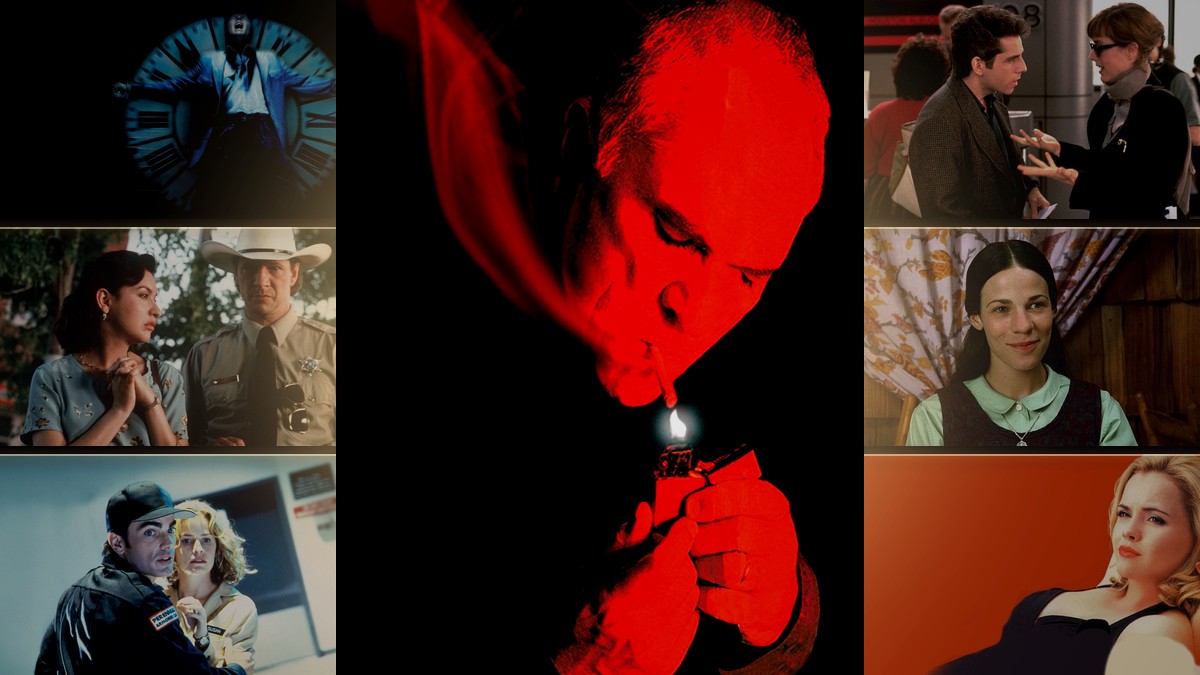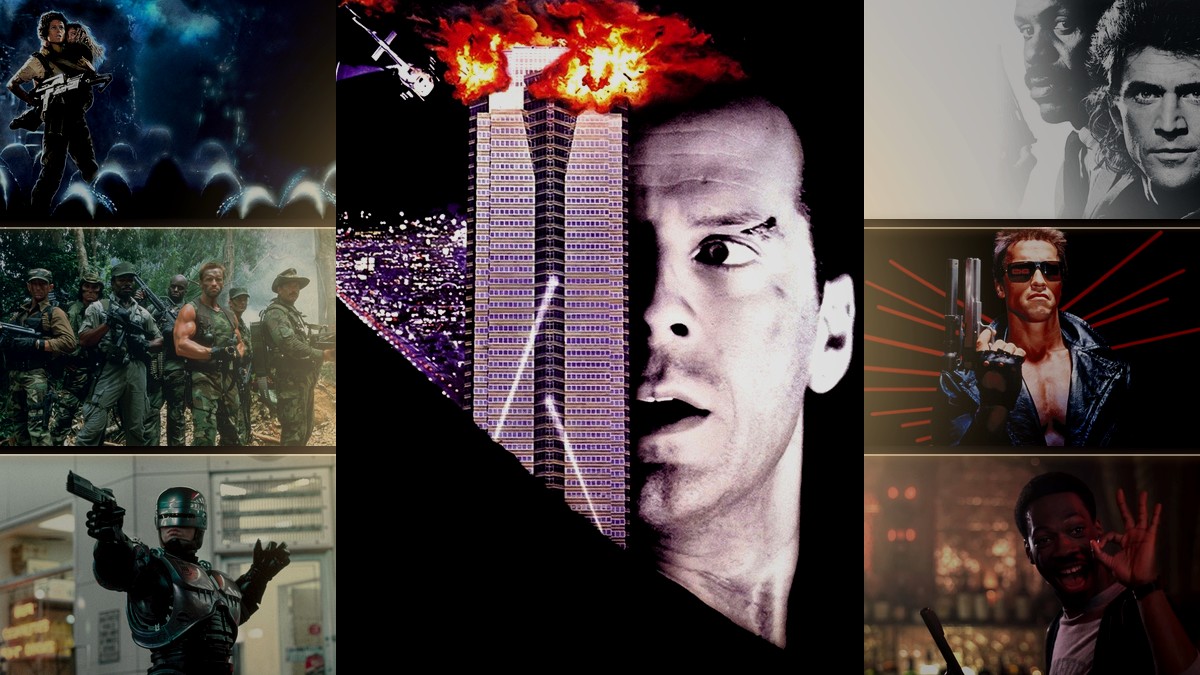

The 2000s gets rough handling in pop-culture nostalgia. The decade gets remembered for its bigger franchises (the Bourne films, Lord of the Rings, the early Marvel run), its prestige TV explosion (The Sopranos, The Wire, Mad Men), and its romantic comedies. The mid-budget, director-driven, critically acclaimed films that ran alongside those franchises have mostly drifted out of the conversation.
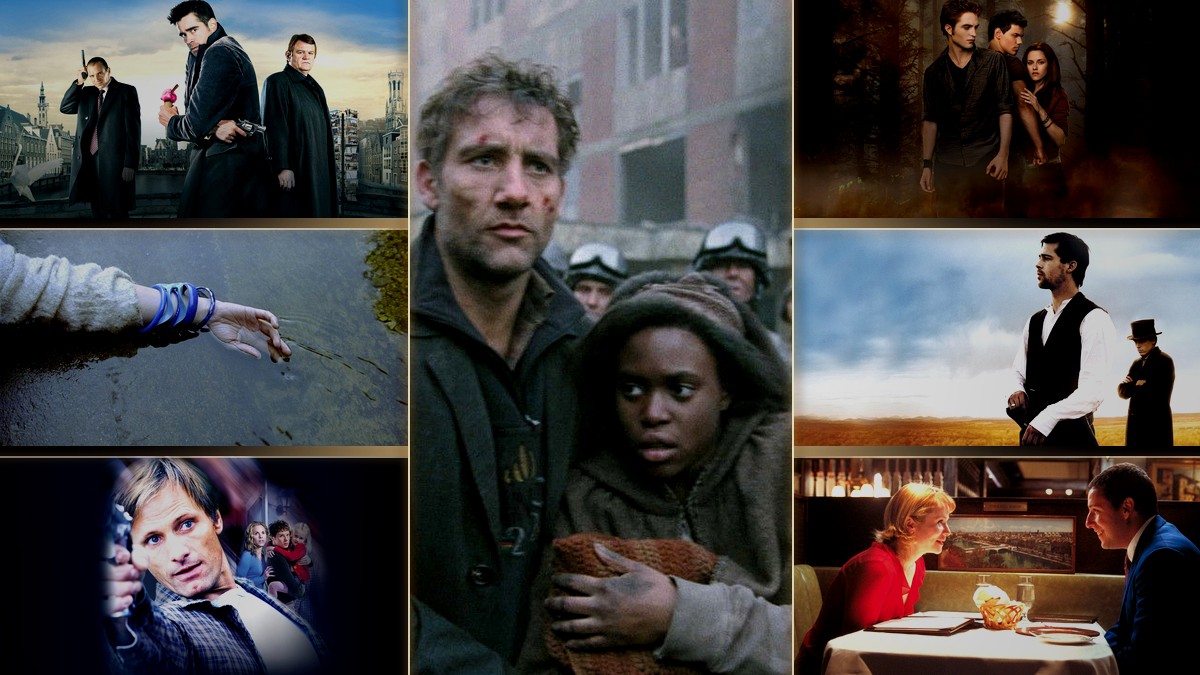
These are ten of those films. All were well-received at release. All are genuinely great. Most of you have either never seen them or saw them once fifteen years ago and forgot how good they were. They reward a 2026 rewatch better than almost any contemporaneous prestige TV does.
At a Glance
- Children of Men (2006) — Alfonso Cuarón
- In Bruges (2008) — Martin McDonagh
- Brick (2005) — Rian Johnson
- A History of Violence (2005) — David Cronenberg
- Moon (2009) — Duncan Jones
- The Assassination of Jesse James by the Coward Robert Ford (2007) — Andrew Dominik
- Punch-Drunk Love (2002) — Paul Thomas Anderson
- Adaptation (2002) — Spike Jonze
- 25th Hour (2002) — Spike Lee
- Zodiac (2007) — David Fincher
01
Children of Men (2006)
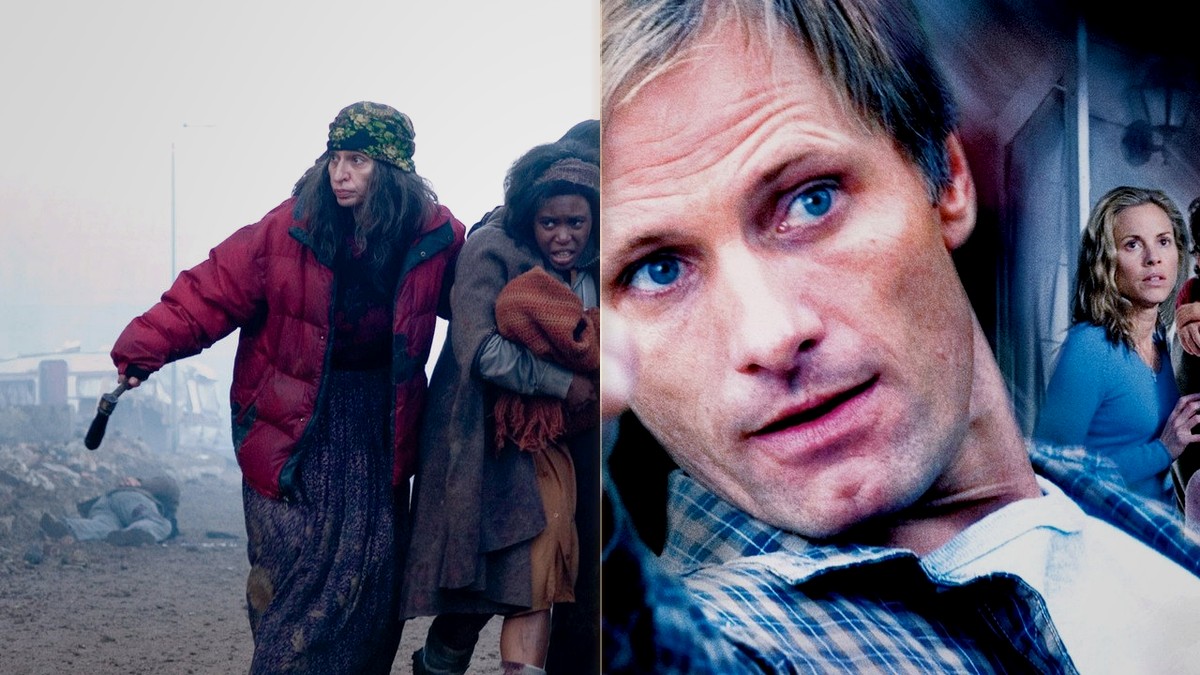
Alfonso Cuarón's adaptation of P.D. James's novel, set in a 2027 in which humanity has lost the ability to reproduce and is collectively grieving its own extinction. Clive Owen plays Theo, a former activist now drinking through the apocalypse, who gets pulled back into politics when his ex-wife (Julianne Moore) asks him to escort a young woman (Clare-Hope Ashitey) — the only pregnant woman on Earth — to safety.
The film's two long-take action sequences (the car ambush, the refugee camp final battle) are among the most technically accomplished sequences in any film of the decade. Cuarón and cinematographer Emmanuel Lubezki figured out how to choreograph extended single takes with a precision the rest of cinema is still catching up to.
In 2026 Children of Men reads less like science fiction and more like documentary. The film's predictions about migration, surveillance, and political collapse have all aged into uncomfortable accuracy. It might be the most prescient film of the 2000s, full stop.
Watch on Peacock or rent for $3.99.
02
In Bruges (2008)
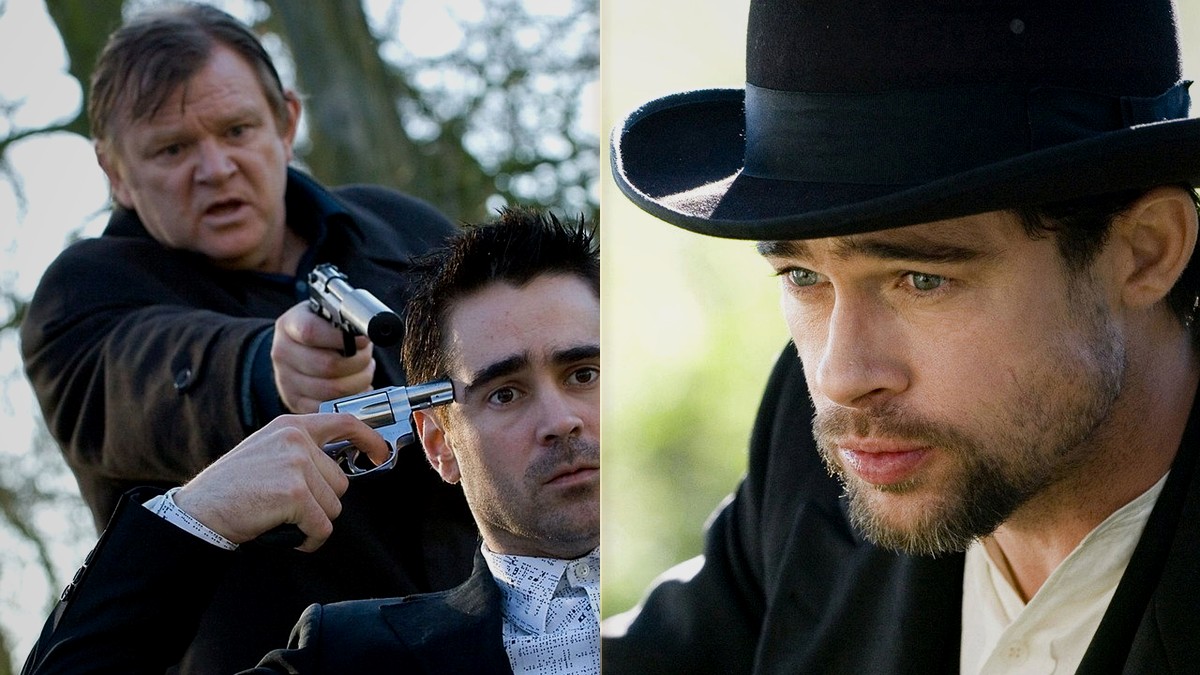
Martin McDonagh's directorial debut, in which two Irish hitmen — Ray (Colin Farrell) and Ken (Brendan Gleeson) — are sent to lay low in Bruges, Belgium, after a job goes wrong. Ralph Fiennes plays the boss who eventually arrives. The film is structurally a tragedy that sounds like a comedy.
McDonagh would later make Three Billboards Outside Ebbing, Missouri and The Banshees of Inisherin, both of which got the awards attention In Bruges should have gotten. In Bruges is the better film. It's funnier, it's tighter, and Farrell's performance — the work that made him a serious actor after years of being cast as a star — is the best thing he's ever done.
The film also has one of the best uses of location of any 2000s movie. Bruges is essentially the third lead.
Watch on Hulu (now integrated into Disney+) or rent on Amazon.
03
Brick (2005)
Rian Johnson's debut feature, in which Joseph Gordon-Levitt plays a high school senior investigating his ex-girlfriend's disappearance through the school's drug-dealing underworld. The premise is film noir — the dialogue is hardboiled 1940s detective fiction — set inside a contemporary Southern California high school.
The conceit is so specific that the film could have collapsed in any direction. It works because Johnson commits completely. The dialogue is dense, the rhythm is fast, the world-building is patient. Gordon-Levitt is doing some of the best work of his career here, before Inception or 50/50 made him a name actor.
Johnson would later direct Looper, Knives Out, Glass Onion, and Wake Up Dead Man. Brick is still the most distinctive film he's made — the one that announced exactly what kind of director he was going to be. Most viewers in 2026 know him from Knives Out. Far fewer have seen the film he made for $475,000 over twenty days.
Watch on Max or rent for $3.99.
04
A History of Violence (2005)
David Cronenberg's adaptation of the John Wagner graphic novel. Viggo Mortensen plays Tom Stall, a small-town Indiana diner owner who, when two armed robbers come in, dispatches them with a level of precision that suggests his quiet midwestern life has not been his only life. Maria Bello plays his wife. Ed Harris and William Hurt play the men from his past who eventually arrive.
This is Cronenberg's most accessible film and one of his best. The violence is sudden and ugly. The conversations between Mortensen and Bello get at something most American films won't — what it actually does to a marriage when one partner has been someone else.
Hurt got an Oscar nomination for less than ten minutes of screen time. Bello should have been nominated and wasn't. Mortensen does some of the most controlled work of his career.
Currently rotating between rental services; check Amazon and Apple TV.
05
Moon (2009)
Duncan Jones's directorial debut, in which Sam Rockwell plays a mining contractor finishing a three-year solo shift on the dark side of the moon. The film is structurally a one-room chamber piece — Rockwell, the AI named GERTY (voiced by Kevin Spacey), and a slowly emerging mystery about why his employer hasn't replaced him yet.
The film cost $5 million. It looks like it cost ten times that. Jones (David Bowie's son, in case the music-nerd connection helps) made the most accomplished low-budget sci-fi debut since Pi, and Moon still holds up as one of the best examples of what science fiction can do when it focuses on a single idea, executed with rigor.
Rockwell is doing extraordinary work — essentially playing two characters who share scenes — without any of the technical assistance available to bigger productions. The film is one of the cleanest examples of "small budget, large ambition" American science fiction has produced.
Watch on Hulu (now integrated into Disney+) or rent for $3.99.
06
The Assassination of Jesse James by the Coward Robert Ford (2007)
Andrew Dominik's psychological Western, in which Brad Pitt plays the famous outlaw Jesse James in his final months and Casey Affleck plays Robert Ford, the young hanger-on who eventually shoots him. The film runs 160 minutes and moves at the pace of a novel. Roger Deakins's cinematography is some of the best work of his career, which is saying something — Deakins has shot Blade Runner 2049, No Country for Old Men, 1917, Skyfall, and a dozen other major films.
Pitt should have won an Oscar for this. Affleck got a nomination and probably should have won as well (his older brother won that year for Gone Baby Gone).
The film bombed at the box office — Warner Bros. barely promoted it, which is part of why so few viewers have seen it. It is the most beautifully photographed American film of the 2000s. It is also nearly three hours long and not in any way fast-paced. Watch it on a weekend afternoon when you have time.
Rentable on Amazon, Apple TV, and Fandango at Home.
07
Punch-Drunk Love (2002)
Paul Thomas Anderson's smallest film, made between Magnolia and There Will Be Blood. Adam Sandler plays Barry Egan, an emotionally damaged novelty-bathroom-products salesman who falls for a woman (Emily Watson) and gets blackmailed by a phone-sex-hotline operator (Philip Seymour Hoffman). The film is 95 minutes long, funny, deeply weird, and structurally tight in ways most romantic comedies aren't.
This is the best Adam Sandler performance, full stop. Anderson cast him because he saw something in Sandler's existing comedic work that nobody else had taken seriously, and the resulting performance is the kind of work that should have rewritten Sandler's career. (It mostly didn't. He went back to Click and Grown Ups. He returned to serious work occasionally — Funny People, Uncut Gems, Hustle — but never quite repeated the Punch-Drunk Love energy.)
Jon Brion's score is essential. The film is almost a musical without songs.
Rentable on Amazon, Apple TV, and Fandango at Home.
08
Adaptation (2002)
Spike Jonze's meta-comedy, written by Charlie Kaufman, in which Nicolas Cage plays both Charlie Kaufman (a screenwriter struggling to adapt Susan Orlean's The Orchid Thief) and his fictional twin brother Donald, who is having a much easier time writing his own screenplay. Meryl Streep plays Susan Orlean. Chris Cooper plays the orchid thief himself, and won the Best Supporting Actor Oscar for it.
The film is the cleanest demonstration of what Charlie Kaufman could do at the height of his powers. Adaptation is structurally a film about its own writing process, recursively, and the recursion is so well-controlled that the film never feels gimmicky. It just feels like an actual experience of watching a writer's brain work in real time.
Cage is also extraordinary here. He's playing two roles, both of them anxious in different ways, and the performance never collapses into the kind of Cage-ness that defines his recent reputation. This is the work that should anchor any conversation about him as a serious actor.
Rentable on Amazon, Apple TV, and Fandango at Home.
09
25th Hour (2002)
Spike Lee's most underseen great film. Edward Norton plays Monty, a New York drug dealer who has 24 hours of freedom before reporting to a seven-year prison sentence. Philip Seymour Hoffman, Barry Pepper, Anna Paquin, and Rosario Dawson co-star.
This is the best film about post-9/11 New York. Lee shot in the months after the towers fell and folded the city's grief directly into the film — there's an extended sequence of Monty's father (Brian Cox) driving past Ground Zero, and another of Hoffman and Pepper having a conversation in an apartment overlooking the still-smoking site. Norton's "fuck you" monologue, delivered to a bathroom mirror, is one of the most quoted speeches in any 2000s film.
Lee made Do the Right Thing, Malcolm X, Inside Man, and many other major films. 25th Hour is the one most regularly left out of his retrospectives, and it's arguably his best.
Currently rotating between rental services; rent on Amazon or Apple TV.
10
Zodiac (2007)
David Fincher's procedural about the Zodiac Killer investigation, told over twenty years through the eyes of a San Francisco Chronicle cartoonist (Jake Gyllenhaal), a Chronicle reporter (Robert Downey Jr.), and a homicide detective (Mark Ruffalo). The film runs 162 minutes and is structured to feel like the actual experience of the investigation — long stretches of mounting evidence, dead ends, decades passing.
Zodiac has been climbing into the canon over the last decade — it now appears on serious "best films of the 21st century" lists — but most casual viewers still haven't seen it. The film's reputation has grown precisely because Fincher refused to give the audience the closure a serial-killer movie usually delivers. The Zodiac case was never solved. The film respects that.
It's also the cleanest example of Fincher's actual filmmaking style at full strength. Every shot is composed. Every cut is deliberate. The 4K restoration that came out in 2022 is the best version to watch.
Watch on Paramount+.
Why Have These Films Faded?
Each of these films was reviewed positively at release. Several got Oscar nominations. None of them are obscure — most cinephiles have heard of all ten. The reason they've drifted is structural.
The 2000s prestige-TV boom captured the cultural conversation that mid-budget films used to own. Streaming algorithms favor more recent content. The franchises of the 2000s (Lord of the Rings, Pirates, the early Marvel films) have continued to generate retrospectives. The standalone, director-driven films from the same period have not.
The good news is that the films above all reward a 2026 rewatch as much as they did at release. Most have aged better than the bigger releases of the same year. None of them require any particular nostalgic affection. They're just well-made films that nobody's been pushing recently.
Find one. Watch it. You'll catch yourself thinking about it for a week.
We refresh this list annually. Streaming locations for 2000s films churn often, especially for non-franchise titles. If you're reading this more than a year after publication, double-check the streamer before settling in.