
Heat turns 30 this year, and somehow the reputation has only grown. If you've never seen it, that reputation probably sounds like a lot of pressure. A 170-minute crime thriller. The two greatest actors of their generation. The most talked-about diner scene in film history. It's the kind of movie people describe in a way that makes you feel like you already missed it.
You haven't. It's on Max, and it's worth your evening.
Heat (1995) is directed by Michael Mann and follows two men on a collision course across Los Angeles: Neil McCauley (Robert De Niro), a professional thief who runs high-stakes heists with surgical precision, and Vincent Hanna (Al Pacino), the LAPD detective assigned to catch him. The film cuts between both sides with equal attention, which is the whole point — Mann wants you to understand both of them before they end up across a table from each other.
The question is whether any of that still lands in 2026, or whether three decades of imitation have quietly hollowed it out.
Is Heat Worth Watching in 2026?
Yes. But here's why the question is worth taking seriously.
Heat came out in a specific moment — before the internet had fully catalogued every heist movie trope, before prestige TV had ten seasons to do what Mann does in one film. A lot of what felt fresh in 1995 has since become the template. The stoic professional criminal. The detective who destroys every personal relationship because he can't stop working. The idea that cop and criminal are mirrors of each other. If you've watched enough crime drama, you've seen all of this before, even if you've never seen Heat.
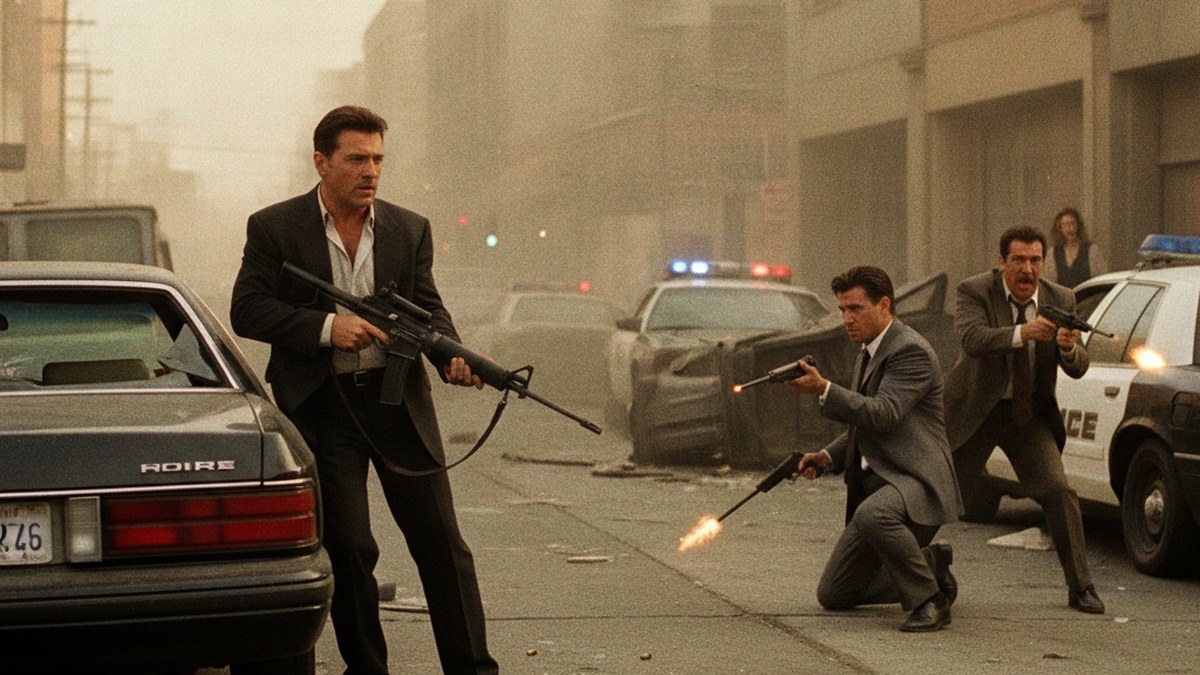
What the imitators didn't get is Mann's commitment to the physical reality of the thing. The bank robbery sequence in the middle of the film — automatic weapons on a downtown LA street in broad daylight — is still genuinely startling. Mann recorded the gunfire at real locations so the shots bounce off actual buildings, and you feel it in a way that most modern action movies, louder and faster, just don't replicate. The sequence is four minutes long and has almost no score. It doesn't need one.
The Case for Both Performances
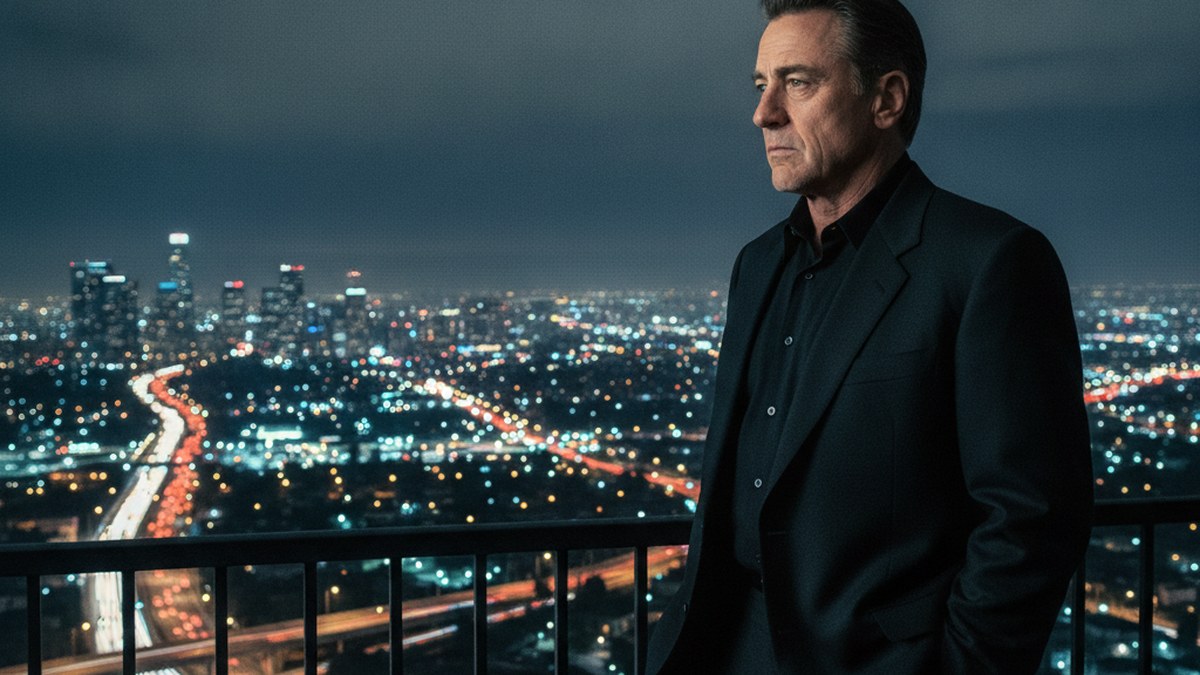
De Niro's Neil McCauley is the quieter of the two leads, which is the right call. Neil has organized his entire life around not wanting anything he can't walk away from in 30 seconds flat — no attachments, no loose ends, no sentiment. It's a clean character concept, and De Niro never oversells it. The control makes the moments where it slips, especially toward the end, land harder than they would from a more expressive performance.
Pacino is turned all the way up, and it mostly works. Vincent Hanna is a man who has burned through marriages and missed his stepdaughter's adolescence because he genuinely cannot stop. Pacino plays him as someone who has made peace with that — at enormous cost — and the performance is big in a way that earns it rather than just indulging it. The scenes with his stepdaughter (Natalie Portman, in an early role that is genuinely good) are more affecting than most of the cop scenes.
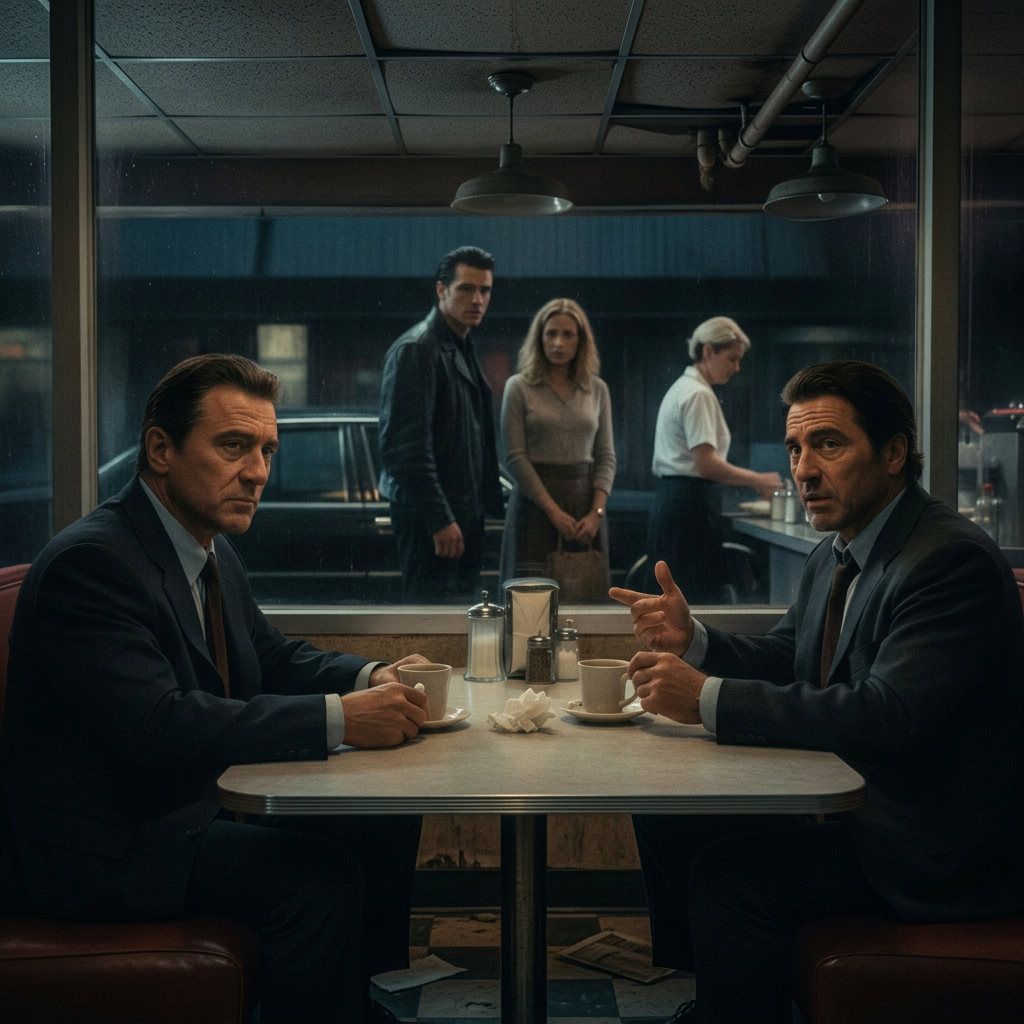
And then there's the diner scene, which really is that good. Two men who have spent the whole movie hunting each other, sitting down over coffee and saying true things. Five minutes, no music, Mann just lets them talk. It works because both actors actually listen to each other rather than waiting for their own lines — which sounds like a low bar but, watching a lot of films, turns out not to be.
Where It Shows Its Age
170 minutes is a commitment, and Mann uses most of them. A few of the secondary storylines don't quite earn their screen time. Val Kilmer's Chris Shiherlis and his wife Charlene (Ashley Judd) get a full arc about a marriage coming apart under the pressure of the criminal life, and while Kilmer is good in it, the storyline keeps interrupting the main thrust without adding much that the Neil/Vincent dynamic doesn't already cover.
The domestic drama more broadly feels overwritten in a mid-90s way. The scenes between Hanna and his wife Justine (Diane Venora) occasionally tip into the kind of symbolic marriage-versus-the-job dialogue that a thousand procedurals since have worn smooth. Venora is a strong actor doing what she can with material that mostly asks her to be the thing Vincent sacrificed.
That's part of a larger problem: the women in Heat are almost all defined by their relationships to the men around them. Amy Brenneman's Eady is there to show that Neil could have chosen a different life — she's warm, she's real, she falls for him fast. But we barely learn what she does or thinks beyond how she feels about Neil. Charlene's storyline is specifically about whether she'll protect her husband. Justine exists to mark what Vincent has lost. Mann is genuinely interested in the interiority of his male leads and less interested in giving the female characters the same treatment. It doesn't tank the film, but it's noticeable in a way it might not have been in 1995.
The Honest Verdict
Heat holds up. Not every minute of it, and not without its blind spots. But the core of it — the procedural precision, the action setpieces, the two leads treating each other as equals across a table — still works. Most crime movies made since have borrowed from it, which is the surest sign that what Mann built here actually meant something.
If you're coming to it fresh, clear the evening and don't rush. The runtime is the only obstacle, and it earns most of those 170 minutes.
Heat is streaming on Max.
Final Score
Thirty years on, Heat still holds up — runtime and all.