
Ripley is the kind of show you keep meaning to recommend and then realize you never quite got around to. Not because it's disappointing — it's genuinely one of the best-looking things to hit a screen in years — but because "you should watch this slow black-and-white psychological thriller" is a hard sell at 9pm on a Tuesday.
Here's the sell anyway.
What It's About
Tom Ripley (Andrew Scott) is a broke grifter scraping by in early 1960s New York, running small mail-fraud schemes and ducking landlords. A wealthy shipping tycoon named Herbert Greenleaf tracks him down with a proposition: travel to Italy, find his son Dickie (Johnny Flynn), and convince him to come home.
Ripley goes. But once he sees how Dickie lives — sun-drenched village, no responsibilities, beautiful girlfriend Marge Sherwood (Dakota Fanning) — he has no interest in delivering anyone anywhere. He wants the life. And he's willing to do whatever it takes to get it.
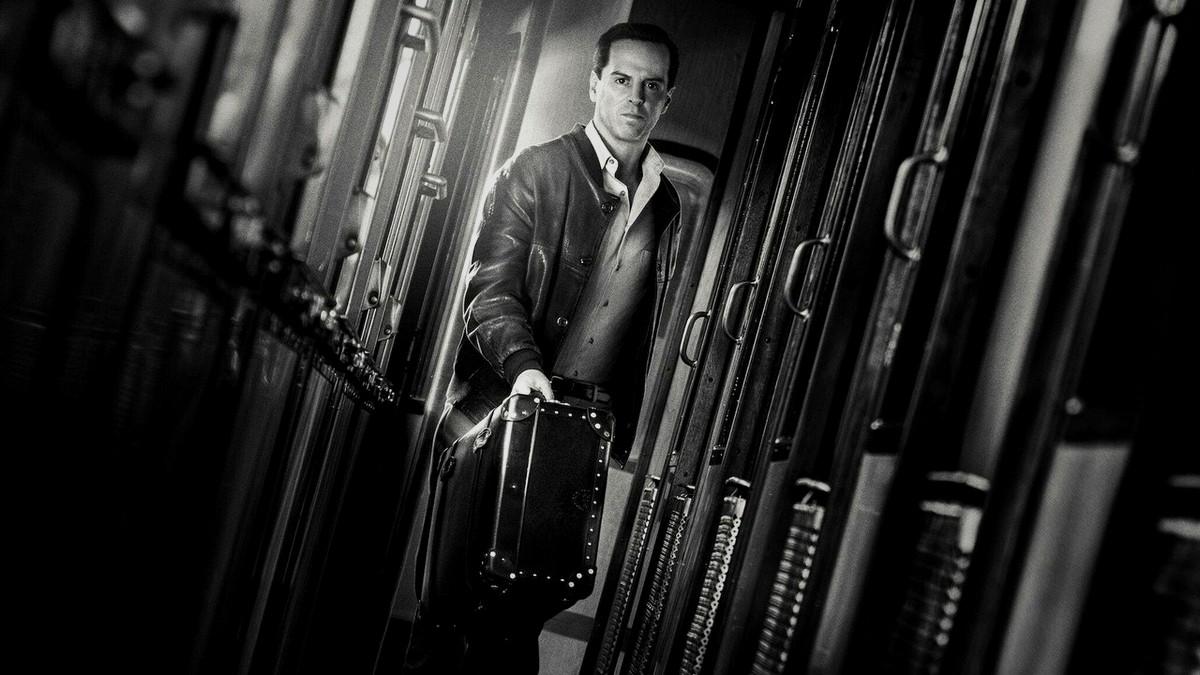
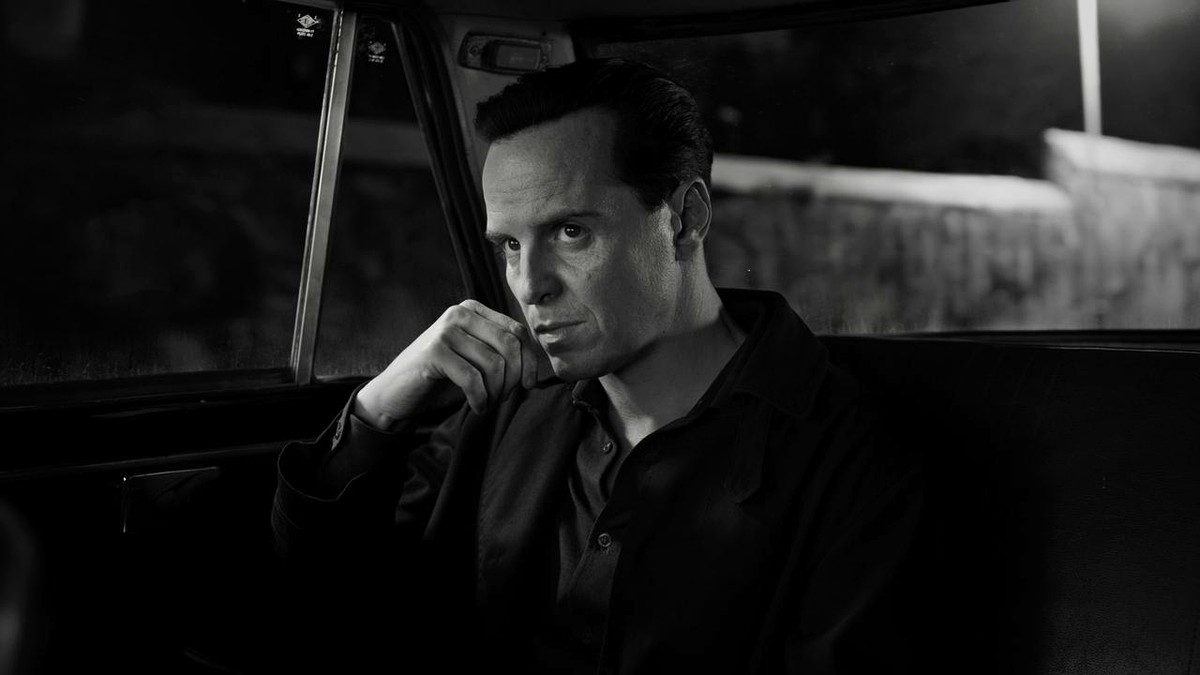
That's the setup. Patricia Highsmith wrote the novel in 1955, and it's been adapted before — most famously as Anthony Minghella's 1999 film with Matt Damon, Jude Law, and Gwyneth Paltrow. This version takes a completely different approach. Where Minghella's film sweats and shimmers in Technicolor, Zaillian's is cold, still, and shot entirely in black and white.
Why the Black and White Works
Steven Zaillian told Vanity Fair he decided on monochrome from the start, inspired by a black-and-white photograph on the cover of Highsmith's book. It's not an affectation. It's a creative choice that rewires how you read every scene.
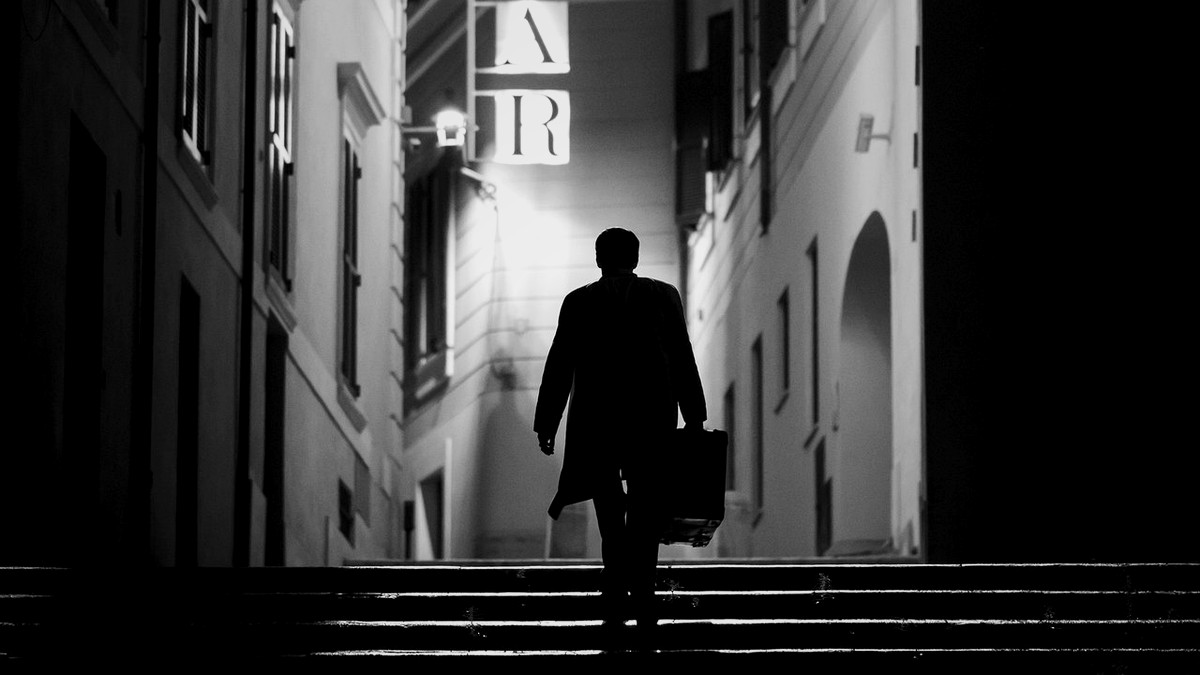
Robert Elswit — the cinematographer behind There Will Be Blood and Boogie Nights — shot all eight episodes, and you can feel the obsessive care in every frame. Elswit has spoken about his goal of shooting scenes as if the camera is an observer in the next room, looking through a doorway, creating the sensation of spying on the characters. Which is exactly right for a story about a man who survives by watching other people and figuring out how to become them.
The Italian locations — Atrani, Rome, Venice — look spectacular precisely because color has been stripped away. You stop cataloguing the scenery and start reading shadow and geometry. It feels like noir, but it doesn't quite behave like noir. The aesthetic is reminiscent of Italian cinema of the early 1960s, evoking the time and place where the story is set. Zaillian isn't imitating anything. He's using a visual grammar that fits.
The Pace Question
Here's the honest part: Ripley is slow. Not slow-for-TV slow. Slow in a way that some people will bounce off completely, and that's fine. There are stretches — a long sequence in episode four set entirely in a Roman church, following Tom as he studies Caravaggio paintings — that have almost no dialogue and zero plot advancement. They're just... Tom, absorbing something.
The series moves almost hypnotically and takes a few episodes to kick in, but once it does, there's no turning back. That's the accurate summary. The patience the show demands in episodes one and two pays off in ways that are hard to describe without spoiling, but the tension in the back half is different from most thriller tension. It's not propulsive. It's something closer to dread.
Andrew Scott
This is the performance people should be talking about more. Critics called it a character study of a quiet psychopath who develops a taste for the finer things and will do what it takes to survive. That's accurate, but it undersells what's strange about it: Scott plays Ripley as almost completely unreadable. There's no charm offensive. No charisma that winks at the camera. Tom is blank in a way that should be alienating, and instead becomes hypnotic.
The Fleabag hot priest is nowhere in this performance. Scott strips all of that away. What's left is someone who survives by watching and waiting and taking up as little space as possible — until the moment he decides to take everything.
Is It Worth It?
If you want a show that moves fast and delivers plot, no, this isn't it. If you want something that looks extraordinary, that rewards attention, and that has a central performance you'll still be thinking about two weeks later — yes. Absolutely yes.
Ripley is a complete, contained story with no loose threads and no sequel baiting. Eight episodes, done. It's the kind of limited series that the format was designed for.
Ripley is streaming on Netflix. All eight episodes are available now.
Is Ripley on Netflix Worth Watching?
Yes — if you have patience for a deliberately slow, dialogue-light show. The black-and-white photography and Andrew Scott's central performance make it one of the best-looking and best-acted limited series in recent years.
Do I Need to Have Seen the 1999 Matt Damon Film?
No. Both adaptations are based on Patricia Highsmith's 1955 novel, but Steven Zaillian's Ripley takes a completely different tonal and visual approach. It stands on its own.
Final Score
Slow, beautiful, and hypnotic. Give it three episodes and it owns you.