
When The Boys premiered on Amazon Prime Video on July 26, 2019, the superhero genre was at the peak of its commercial power. Avengers: Endgame had grossed $2.8 billion that spring. The MCU had become the dominant force in American mainstream cinema. DC was scrambling to catch up. Disney+ was about to launch with WandaVision and Loki and Falcon and the Winter Soldier. Every studio in Hollywood was trying to get into the cape business.
The Boys was the show that argued, week after blood-soaked week, that the cape business was fundamentally corrupt.
Five seasons later, with the series finale aired May 20, 2026, the show's argument has aged into something closer to documentary. Superhero fatigue has set in. Major MCU films have underperformed. The cultural conversation around superheroes as a metaphor for power has shifted permanently in the direction The Boys was always pointing. Eric Kripke's adaptation of Garth Ennis and Darick Robertson's comic didn't single-handedly cause this shift — but it did more to break the genre open than any other piece of TV or film in the same window.
Here's the case for The Boys as a complete five-season work.
The Premise Is Structurally Smart
Most superhero satire stops at "what if superheroes were actually bad people?" The Boys asks the next question, which is "what if a corporation owned the superheroes and used them to sell products and manipulate political outcomes?" That question turns out to be much richer. Vought International — the fictional megacorp at the center of the show — is the actual antagonist of The Boys. Homelander is its product. The Seven are its asset portfolio. The show is more interested in corporate power than in individual villains, which is what makes it work as satire rather than as edgy gore.
Karl Urban's Butcher Is a Complete Character
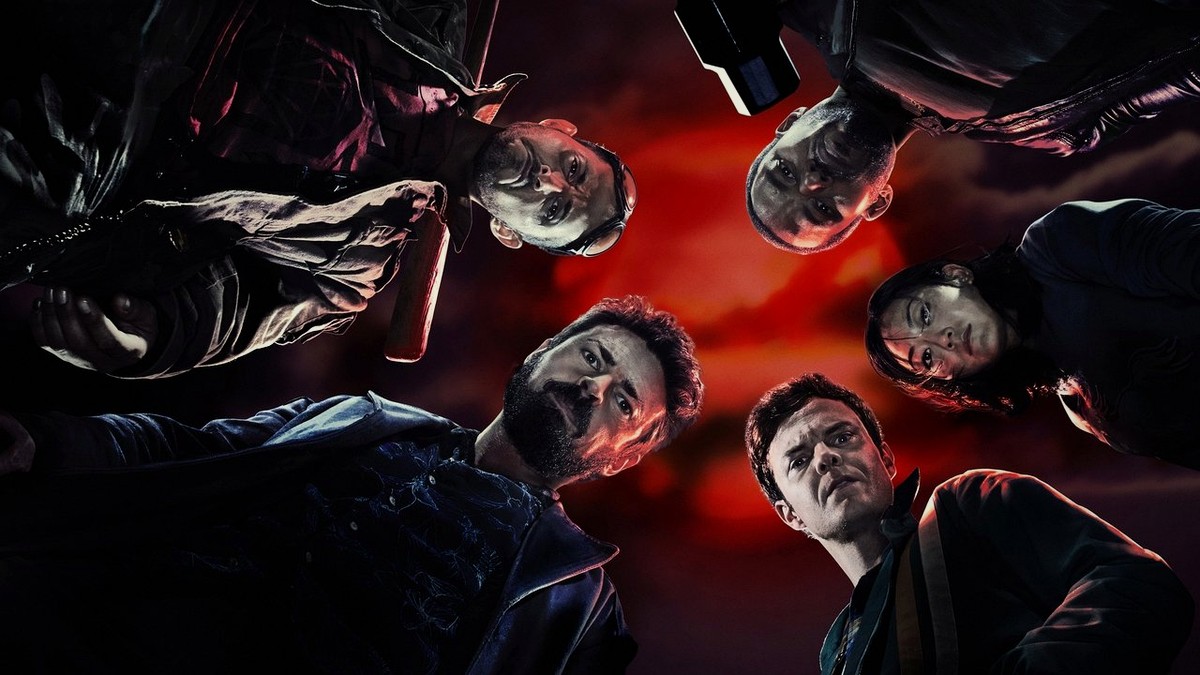
Billy Butcher, the leader of the Boys (the small group of vigilantes who hunt corrupt supes), is the show's protagonist. Urban plays him with a specific cocktail of moral certainty, personal damage, dark humor, and barely-controlled rage. The character could have been a one-note Cockney action figure. Urban makes him a tragedy. Across five seasons, Butcher's relationship with Hughie (Jack Quaid, his reluctant protégé), his marriage to Becca, his understanding of what he's becoming, all develop with a coherence that most prestige drama protagonists don't get.
Antony Starr's Homelander Is the Central Performance
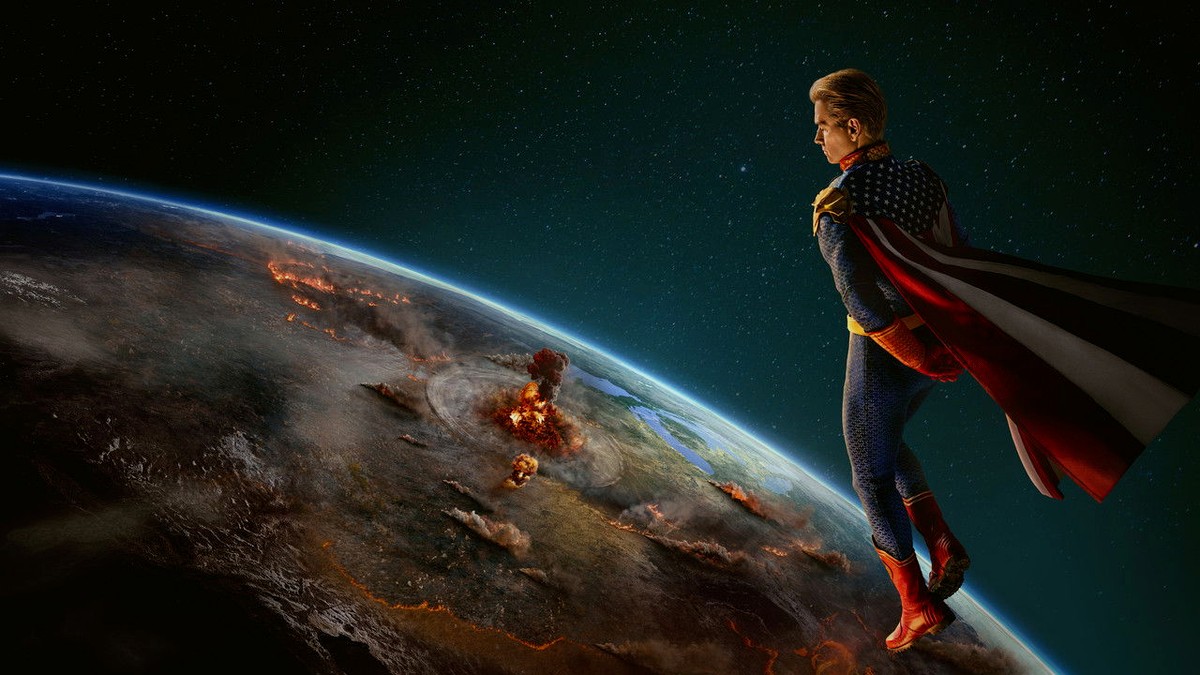
This is the case for the show. Starr plays Homelander — the Superman-coded leader of The Seven and the most powerful supe on the planet — as a child raised in a laboratory who is now a god, processing emotions he doesn't fully understand through the only tools he has, which are mass violence and televised grandstanding. The performance is built on a specific contradiction: the character is constantly performing American-hero affability while underneath he is, by any reasonable measure, the most dangerous person alive. Starr plays both layers at once. The result is one of the four or five great villain performances of the current TV era, alongside Bryan Cranston's Walter White, Vince D'Onofrio's Kingpin, and Jeremy Strong's Kendall Roy.
The Supporting Ensemble Is Deeper Than Most Prestige Dramas
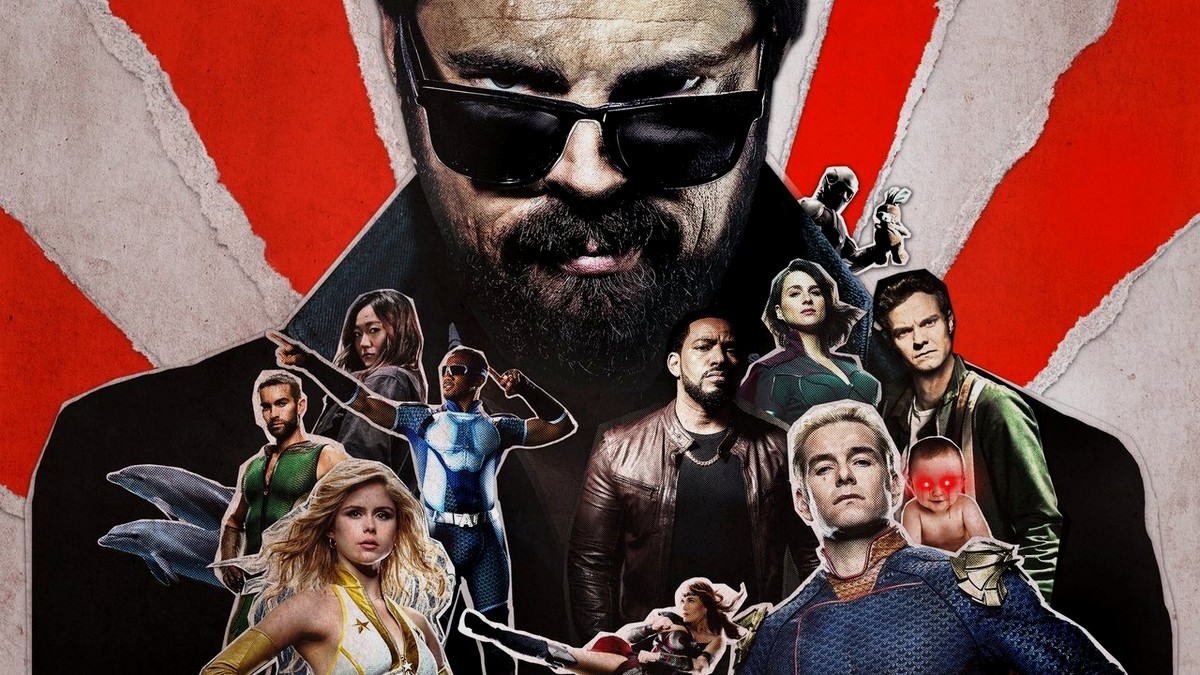
Jack Quaid as Hughie Campbell. Erin Moriarty as Annie January / Starlight. Karen Fukuhara as Kimiko. Tomer Capone as Frenchie. Laz Alonso as Mother's Milk. Chace Crawford as The Deep. Jessie T. Usher as A-Train. Colby Minifie as Ashley (in one of the most underrated TV performances of the decade — Minifie's Ashley is the show's quiet comic engine). Each gets multi-season arcs that the show is willing to invest in.
The Satirical Instincts Are Sharper Than the Violence
The Boys is famous for its violence. Heads explode. People are torn apart. The show pushes its R-rated freedom further than virtually any other prestige drama. But what makes the show work isn't the violence — it's the satirical specificity around it. The "Believe Expo" megachurch sequence in Season 2. The Stormfront social-media radicalization arc. The Sage corporate-Machiavelli scenes in Season 4. The Homelander-presidency framework of Season 5. The show is consistently smarter about American power than its reputation suggests.
The Tonal Evolution Is the Show's Biggest Swing
Season 1 was a transgressive shock comedy. Season 2 added Stormfront and started taking the political subtext seriously. Season 3 introduced Soldier Boy (Jensen Ackles) and the parallel between Vought heroism and American military mythology. Season 4 went full political dystopia. Season 5, the final season titled "Scorched Earth," moves entirely into authoritarianism, with Homelander controlling America through fascist terror and detention camps. Critical opinion is genuinely split on whether the show's increasing seriousness has been a feature or a bug.
The Series Finale Lands
Without spoiling specifics, the finale — directed by Kripke and aired May 20, 2026 — does the work that a series finale in this universe needs to do. It pays off the Butcher-Homelander dynamic. It gives the supporting cast resolution. It doesn't soften the show's argument by giving the audience a clean victory.
The show's flaws are real. Season 3 is the weakest of the five, mostly because the Soldier Boy material — while strong on its own terms — pulls the show's focus away from the supporting ensemble. Some of the satirical setups land harder than others. The violence is, by Season 5, occasionally numbing rather than effective.
Still: across five seasons, The Boys did something almost no other current TV show attempted. It took a genre at peak commercial power and argued, with consistent force, that the genre's underlying ideology was corrupt. It made that argument funnier and more entertaining than the genre it was satirizing. And it built one of the great villain performances of the era while doing it.
Where to Watch
All five seasons of The Boys (60 episodes total) are streaming on Prime Video. The Gen V spin-off (also on Prime Video) is canonically connected. The Boys: Diabolical (an 8-episode animated anthology from 2022, also Prime Video) is the third piece of the franchise.
Where Should I Start?
Start with the pilot of The Boys Season 1. The show is best experienced in order. Skipping ahead spoils both the satirical setups and the character arcs.
Is It Too Violent?
Yes, by most TV standards. The show is graphically violent in ways most other prestige dramas aren't, and the violence is intentional satire rather than gratuitous. Viewers who don't have a high tolerance for blood, gore, and sexual content should know what they're getting into. The satire is the point. The violence is the delivery mechanism.
Final Score
The most consequential anti-superhero show ever made.