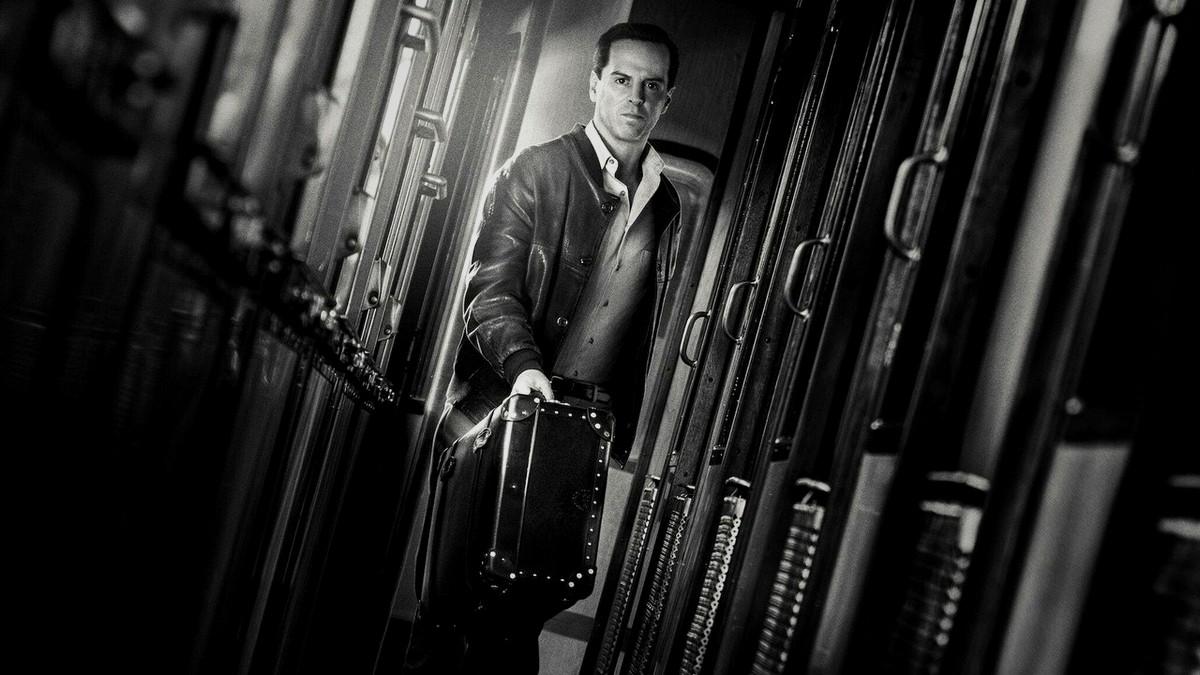

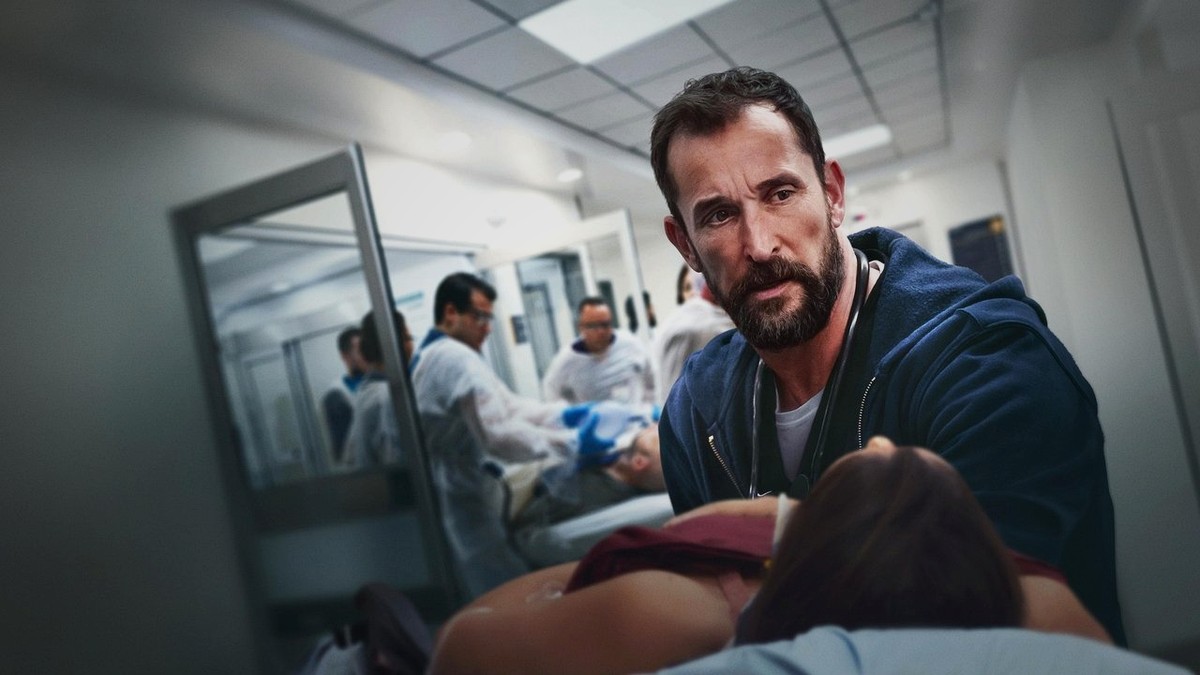
There's a specific kind of show that announces itself in its first ten minutes. The Sopranos did it with Tony in Dr. Melfi's waiting room. The Wire did it with the slumped body of Snot Boogie. Mad Men did it with the cigarette smoke and the typewriters. The Pitt does it within the first three minutes of its pilot, when Dr. Michael "Robby" Robinavitch arrives for his shift at Pittsburgh Trauma Medical Center, exchanges three words with the overnight charge nurse, and immediately disappears into a trauma bay. There's no introduction. No exposition. No establishing music. The show treats you like an adult who can figure out who's who by paying attention.
That's the bet The Pitt makes about its audience, and it pays off every episode.
Created by R. Scott Gemmill, executive-produced by John Wells, and starring (plus EPing, writing, and directing) Noah Wyle — three veterans of NBC's ER, the show The Pitt is most often compared to — The Pitt arrived on Max in January 2025 with one premise and one structural conceit. The premise: an emergency department at a chronically underfunded Pittsburgh hospital. The conceit: each episode covers approximately one hour of a 15-hour shift, in real time, with episodes premiering weekly on the same evening for fifteen weeks straight.
Two seasons later, the conceit has become the defining innovation in current TV. Season 1 (15 episodes, January-April 2025) covered a single day shift. Season 2 (15 episodes, January-April 2026) covered a Fourth of July night shift, set ten months after the events of Season 1. Season 3, already announced for 2027, will continue the pattern.
The show won multiple Emmys for its first season — including Outstanding Drama Series, Outstanding Lead Actor (Wyle), and Outstanding Supporting Actress (Katherine LaNasa as Charge Nurse Dana Evans) — and has been routinely described by critics and physicians alike as the most medically accurate drama ever produced for television.
The Real-Time Structure Forces Honesty
Most medical dramas cheat. Patients arrive at the start of an episode and resolve by the end. Diagnoses come faster than they would in life. Procedures that take three hours in an actual ER take three minutes on screen. The Pitt refuses these conventions. A patient who arrives in episode three might still be in the ER in episode eight, waiting for a specialist who's been delayed by another emergency. A procedure that should take 45 minutes takes 45 minutes. The shift continues whether the audience is comfortable with the pacing or not. This honesty creates a specific texture no other medical drama has — the show feels like what an ER actually is, rather than what television has told us ERs should be.
The Documentary Style Is Doing Genuine Work
The Pitt uses almost no background music. The decision was deliberate; Gemmill, Wells, and Wyle wanted the show's emotional cues to come from the sound design rather than from a composer telling you how to feel. The result is that every emotional moment has to be earned by the writing and the performances. There's no swelling string section to make a death scene sad. The death has to do that work on its own. The technique forces the show to be better than it would otherwise have to be.
The Ensemble Is the Show
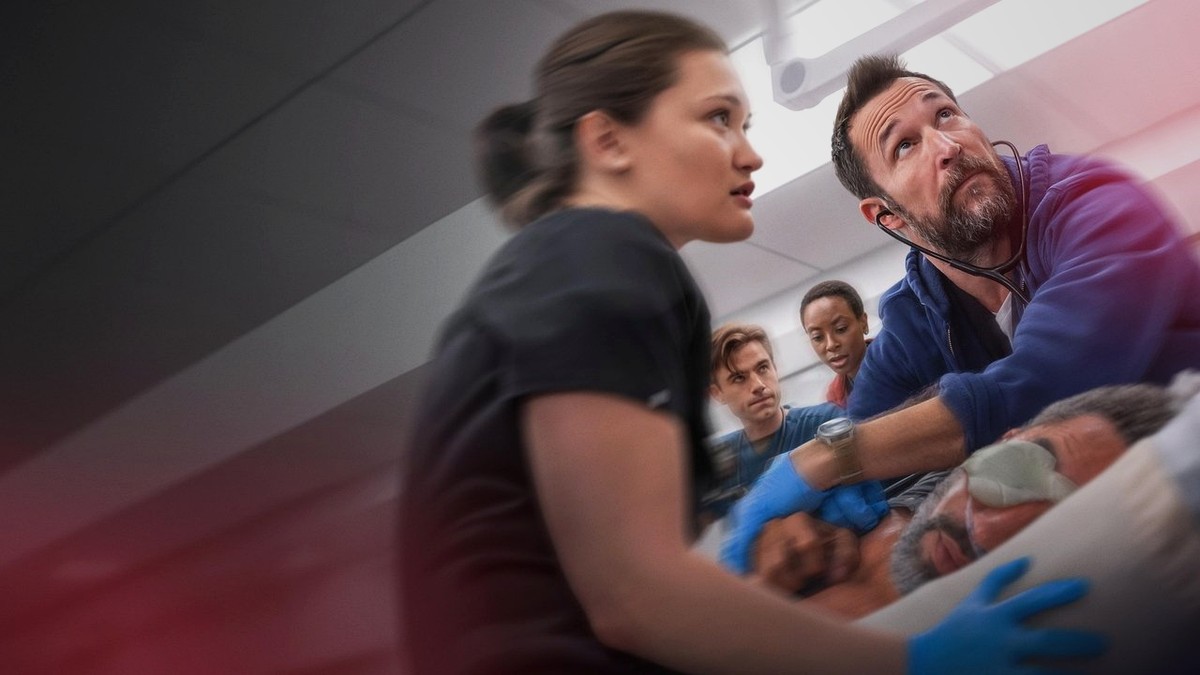
Noah Wyle leads the cast as Dr. Robby, and the performance is the show's anchor. But The Pitt is structurally an ensemble piece. Patrick Ball as Dr. Frank Langdon. Katherine LaNasa as Charge Nurse Dana Evans. Supriya Ganesh as Dr. Samira Mohan. Fiona Dourif as Dr. Cassie McKay. Taylor Dearden as Dr. Mel King. Isa Briones, Gerran Howell, Shabana Azeez as the medical students. Sepideh Moafi as Dr. Baran Al-Hashimi (added in Season 2). And rotating supporting actors — patients, family members, nurses, paramedics — who each get a complete arc within a single episode or two-episode pair. The casting is the strongest in any current medical drama.
Noah Wyle Is Doing the Best Work of His Career
Wyle played Dr. John Carter on ER for 11 seasons starting at age 23. He's been a professional actor for over thirty years. Nothing in his prior work suggested he could give a performance at this level. Dr. Robby is a 50-year-old emergency physician carrying the accumulated trauma of his profession — including, specifically, the COVID pandemic — and the performance is built on the contradiction between his absolute competence on the floor and the quiet damage he's accumulated underneath it. Wyle plays both registers simultaneously. The work is precise, restrained, and devastating when it needs to be. He won an Emmy for Season 1. He'll win another for Season 2.
The Show Takes ER Work Seriously as Labor
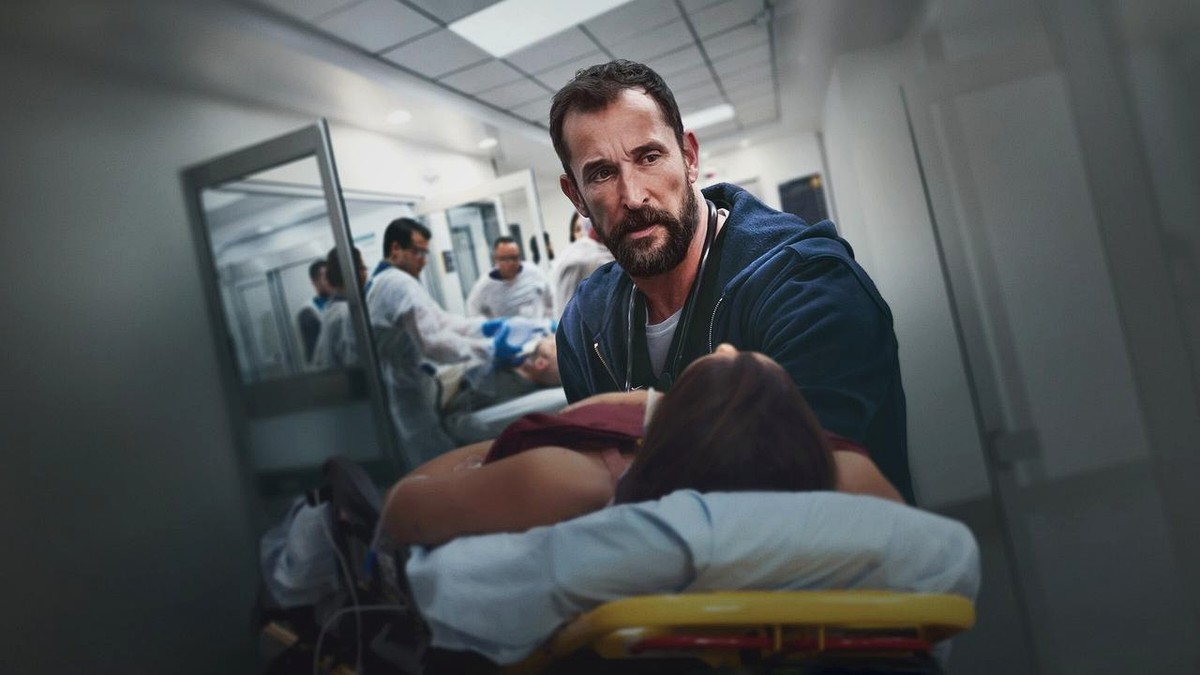
Most medical dramas treat hospitals as sites for personal drama with patients as the catalyst. The Pitt treats hospitals as workplaces, and treats the staff as workers — overworked, underpaid, chronically understaffed, dealing with administrative obstruction from above and bureaucratic dysfunction from every direction. The show is unapologetically political about American healthcare without ever feeling like a lecture. The politics are baked into the conditions the characters are working under.
The flaws in the show are minor. Some episodes occasionally over-correct toward sentimentality in their final five minutes. The Dr. Al-Hashimi character introduced in Season 2 needs a few episodes to fully integrate into the ensemble — though by mid-season she's an essential part of it. These are the kinds of complaints critics make about shows they basically love.
What makes the show essential is something simpler: it's about people who choose to do impossible work because someone has to do it. In a media environment where most current TV is cynical, satirical, or apocalyptic, The Pitt is unapologetically about competence, care, and the value of showing up. That's a rare combination. It's also a powerful one.
Where to Watch
All 30 episodes of The Pitt (Seasons 1 and 2) are streaming on HBO Max. The show is also broadcast uncut on TNT cable. Season 3 is in production for a 2027 release window.
Where Should I Start?
The pilot. Don't skip ahead. Don't read recaps. Watch in order. The show is best experienced the way it was designed — episode by episode, with the cumulative weight of the shift building over time.
Is It Too Intense?
The show is more graphic than network medical dramas (this is HBO/Max), with realistic blood, injuries, and emotional weight. It's not gratuitous, but it doesn't soften the work either. Viewers with medical-trauma sensitivity should know what they're getting into. Most other viewers will find the intensity earned.
Final Score
The best medical drama ever made for television.