
There's a whole library of new things to watch tonight. You have probably opened four different apps to confirm this. And you will almost certainly end up putting on The Office again.
You're not alone, and you're not broken. According to a 2025 survey, 70% of Americans say they prefer rewatching something they've already seen when they want to relax. The average viewer has watched their favorite comfort show seven times. Millennials clock in higher — some report fifteen-plus rewatches of the same series.
The algorithm keeps throwing new things at you. You keep ignoring it. Here's why that's actually the correct move.
The Real Reason New Shows Feel Exhausting
Every new show is a commitment you haven't made yet. You don't know the pacing, the tone, whether episode three is the last one you'll bother finishing. You're taking on a risk you didn't ask for after a day that probably already had too many of those.
Streaming made this worse, not better. We now have access to more content than any human could watch in a lifetime, which sounds amazing until you're fifteen minutes into a scroll and haven't picked anything. There's a term for this — decision fatigue — and by 9pm most of us have already burned through our daily supply of it at work.
A comfort show solves all of that instantly. You know exactly what you're getting: how long the episodes run, whether it's the kind of thing you can half-watch while eating, which characters you actually like. There's no risk. The familiar is genuinely easier on your brain than the new, and that's not a flaw in your character — it's how nervous systems work.

What You're Actually Doing When You Rewatch
Here's the thing that gets dismissed too quickly: rewatching isn't passive. It's not you failing to engage with culture. It's a different kind of engagement.
When you already know the plot, you notice other things. The way a character's arc was built backward from the finale. Background details that only make sense now. A throwaway line in season two that was actually foreshadowing. First-time viewers are just trying to follow the story. Rewatchers are reading the architecture.
There's also the emotional memory angle, which is real even if it sounds slightly sentimental. A lot of comfort shows are tied to specific periods in your life — the apartment you watched them in, the people you watched with, a time you were going through something and the show was just there, on in the background, making things quieter. Rewatching doesn't just put you back in the story. It puts you back in that room, at least a little.
That's why Gilmore Girls gets rewatched in autumn and The Bear gets rewatched between seasons and Friday Night Lights gets rewatched by people who need to be reminded that something can be both earnest and genuinely good.
Why the Algorithm Keeps Losing This Argument
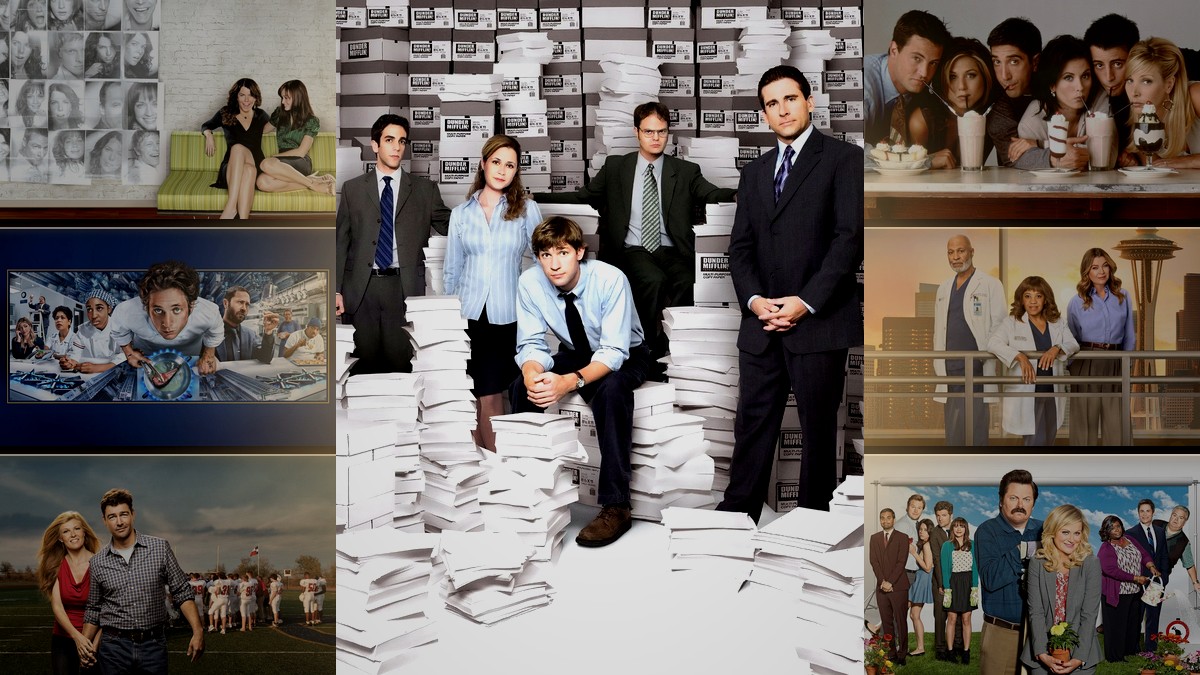
Streaming platforms built their entire value proposition around discovery. New shows, new movies, you won't believe what just dropped. But the data keeps telling them the same thing: Friends and The Office and Grey's Anatomy are some of the most-watched titles on their platforms every single year. Netflix paid $100 million to keep Friends for one extra year. That was not a sentimental decision.
The algorithm is optimizing for something you don't actually want at 9pm. It wants to show you new content because new content is what platforms need you to engage with to justify another month of subscription fees. You want to feel good. Those are different goals.

There's also the social function of rewatching that gets overlooked. The shows people rewatch most are the ones they can quote, the ones that have memes, the ones that get referenced in group chats. Rewatching keeps you current on the cultural shorthand. When someone sends you a Michael Scott gif, the joke only lands because you've seen those episodes enough times that you know exactly which scene it's from.
The Comfort Shows Actually Worth Your Rewatch Time
Not every show ages into comfort viewing. Some things were great the first time and don't hold up to repeat visits — they needed the mystery, the tension of not knowing what happens. But the ones built on character rather than plot usually improve with rewatching.
The Office (Peacock) is the obvious one. The Jim and Dwight dynamic gets better when you know where both of them end up. Parks and Recreation (Peacock) hits differently in season six when you know Leslie wins. Gilmore Girls (Netflix) is still the cleanest example of a show that functions almost like ambient television — you can have it on at low volume and still catch everything you need to catch.
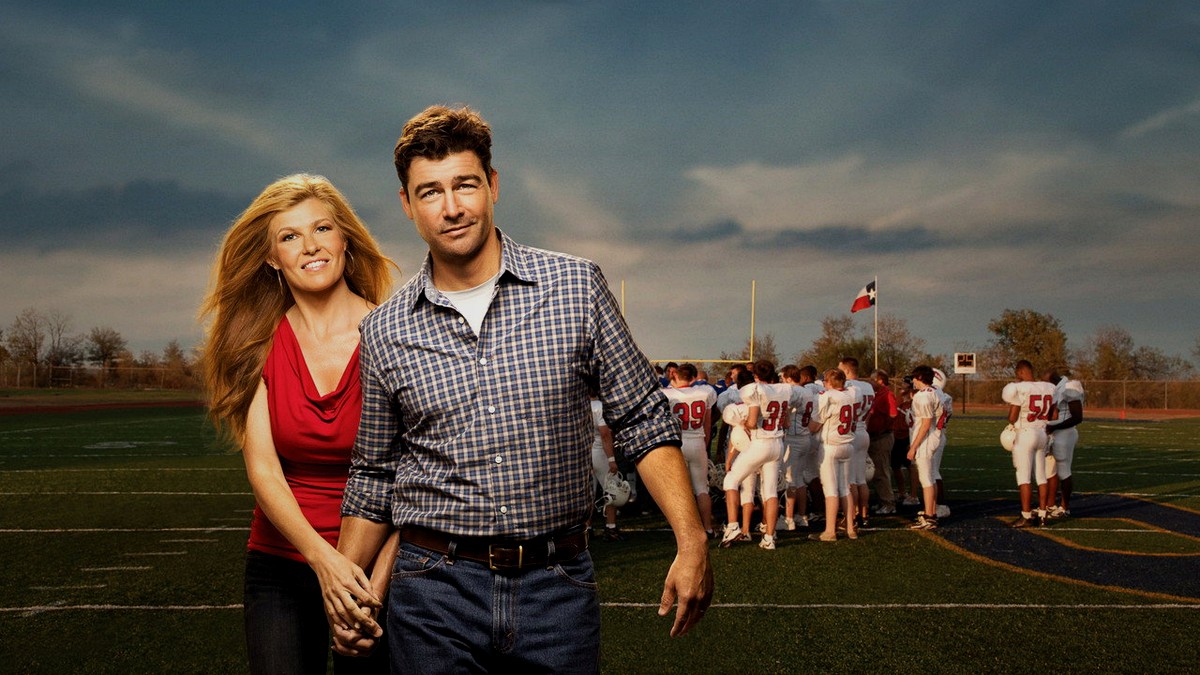
Friday Night Lights (Peacock) is worth bringing up here because it's the one that surprises people. It looks like a show about Texas high school football. It's actually a show about marriage and community and what it means to stay somewhere. It holds up to rewatching in a way most dramas don't, because the emotional beats were never contingent on plot twists.
The Actual Case for Rewatching
I'm not going to tell you to stop watching new things. New things are good. Some of them are genuinely great.
But the guilt around rewatching — the feeling that you should be using your limited screen time more adventurously — is worth examining. The rewatch is not a retreat from culture. It's a choice about what you want television to do for you on a given night.
Sometimes you want to be challenged. Sometimes you want Lorelai Gilmore to walk into Luke's diner and already know every word she's about to say.
Both of those are legitimate. One of them just requires a lot less from you. And that's exactly the point.
Friday Night Lights is streaming on Peacock. The Office and Parks and Recreation are on Peacock. Gilmore Girls is on Netflix. Grey's Anatomy is on Netflix.