
There used to be a movie for adults. Not a superhero film. Not a franchise reboot. Not a $200M spectacle designed to sell toys in twelve countries at once. Just a movie, in the $30–60M range, about people doing something dramatic or funny or complicated, released in theaters, aimed at grown-ups who wanted two hours of something good.
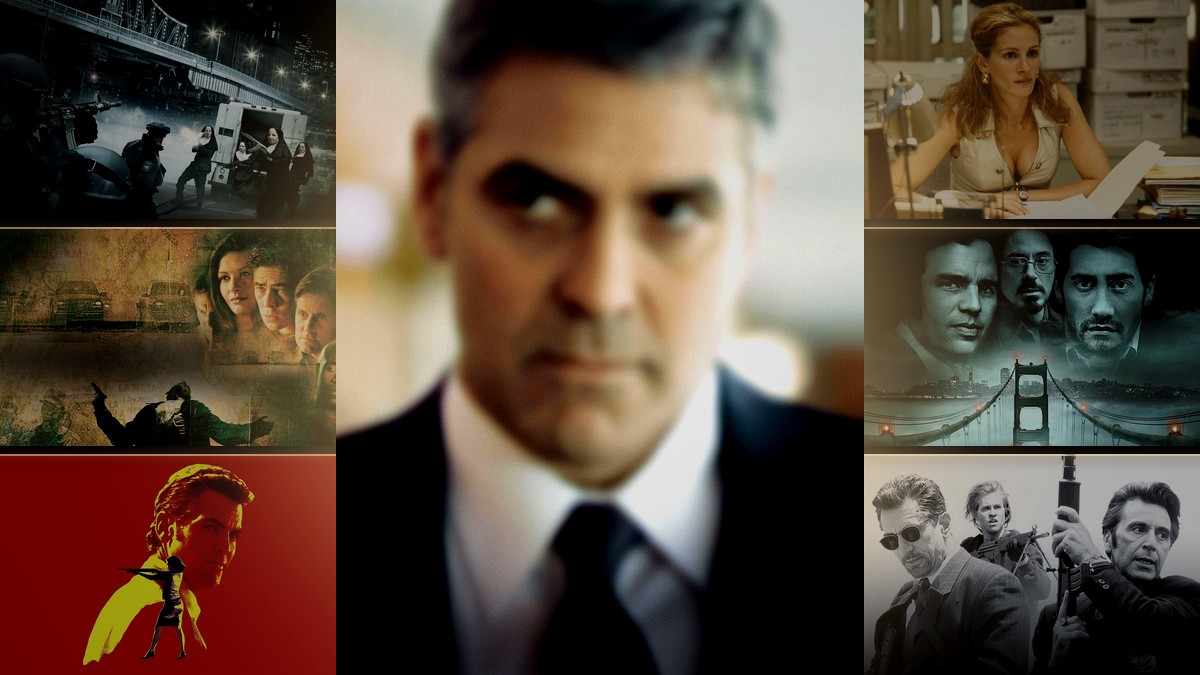
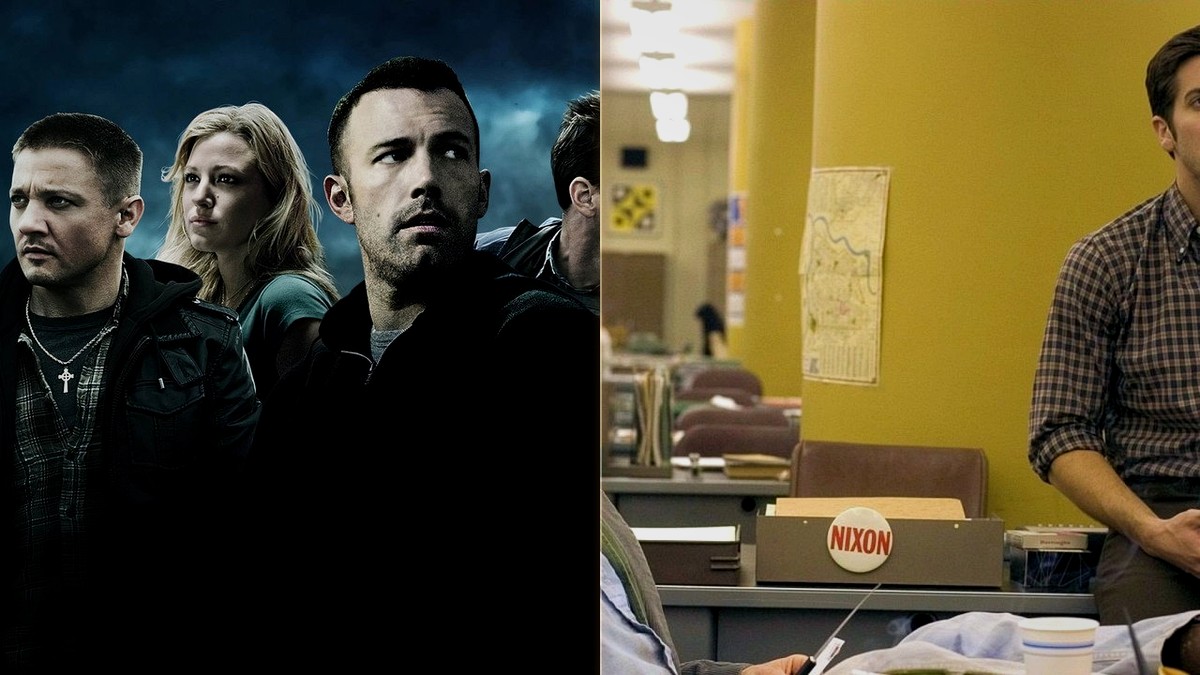
You know the ones. Michael Clayton. The Town. Traffic. Out of Sight. Erin Brockovich. Zodiac. Heat. These are films where the budget was high enough to hire real stars and shoot something cinematic, but nobody expected them to launch a cinematic universe.
That movie is almost gone from multiplexes. Here's what happened to it — and, more importantly, where it went.
The Squeeze That Killed the Middle
Studios didn't wake up one day and decide to stop making adult dramas. The economics slowly made them impossible to justify.
The math goes roughly like this. A $40M film needs to gross around $100M worldwide just to break even once you factor in marketing. That sounds doable until you realize a $200M tentpole, if it works, generates ten times that — plus theme park rights, merchandise, streaming licensing, and sequel opportunities that stretch for a decade. The mid-budget film has no upside tail. It makes its money and stops.
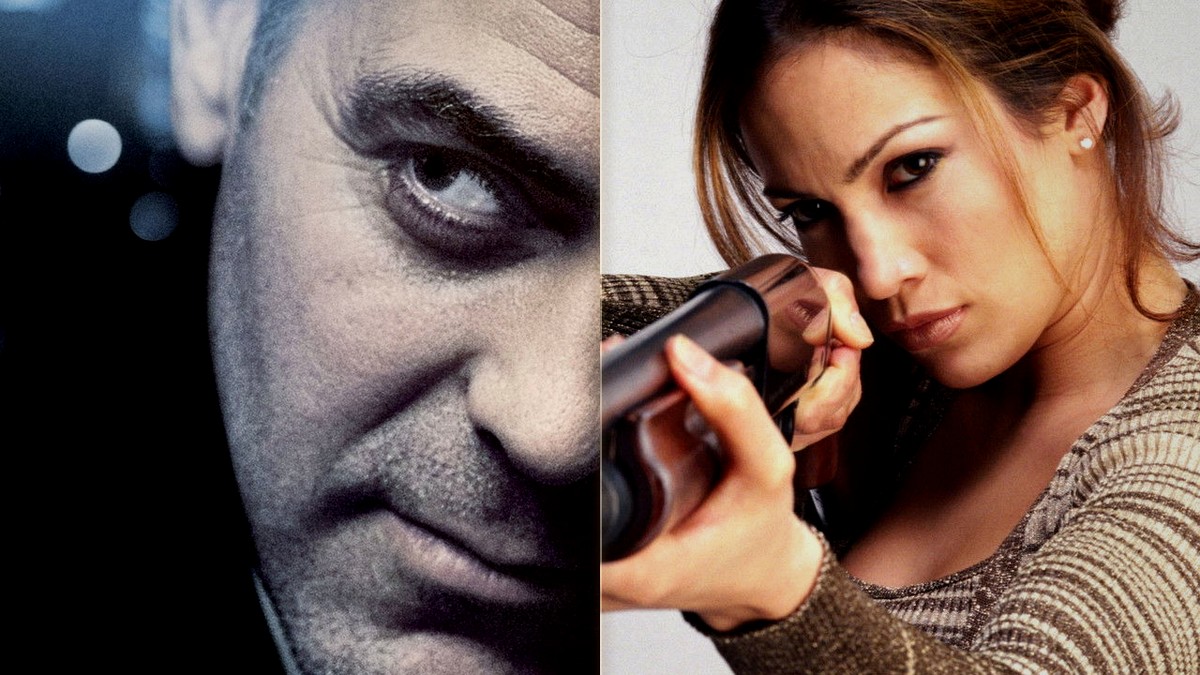
Meanwhile, the movies that thrived at that budget level — thrillers, crime dramas, adult comedies, prestige character pieces — started winning at home instead of theaters. When Michael Clayton can do its best business on cable and then streaming, the case for a wide theatrical release weakens. Why fight for a Friday slot against Marvel when your audience will find you on a Tuesday night in their living room?
The tipping point most people cite is around 2012–2015. That's when the major studios, one by one, more or less exited the mid-budget space for theatrical. Universal kept some. Sony has been the most committed holdout. But Warner Bros., Disney, and Paramount increasingly greenlit only franchises or very cheap prestige bets aimed at awards season.
What "Mid-Budget" Actually Means (and Why the Definition Matters)
The $30–60M range is a rough approximation of what used to constitute a studio drama with real resources. Heat (1995) cost around $60M. Zodiac (2007) cost $65M. The Town (2010) came in around $37M. These films had name directors, major stars, location shoots, and practical production value.
What they did not have: IP. No pre-existing audience, no sequel guarantee, no toy shelf. Each one had to convince people to show up based purely on the idea of the movie and who was in it.
That's the part that makes studios nervous now. IP reduces risk. A known brand brings a floor — a baseline audience that will show up regardless of reviews. A mid-budget original has no floor. It's either a hit or a write-off.
Steven Soderbergh, who spent much of his career in this space, put it plainly in a 2013 address at the San Francisco International Film Festival: the moviegoing audience had been "trained" to wait for the event film and skip everything else. The mid-budget film wasn't just competing with other movies — it was competing with the idea of what a trip to the movies was supposed to feel like.
Where Those Movies Actually Went
They didn't disappear. They moved.
Streaming. Netflix and Apple TV+ have become the primary home for exactly this kind of film. Knives Out and Glass Onion — $40M-ish star-driven originals built around a clever premise — went to Netflix. The Killer (Fincher, 2023) was a Netflix film. Killers of the Flower Moon was technically a theatrical release, but Apple TV+ funded it. These are exactly the films that used to headline a fall theatrical slate.
A24 and the indie-adjacent space. A24, Neon, and a handful of specialty distributors have filled part of the gap. But their films tend to skew smaller and more art-house. Everything Everywhere All at Once cost around $14M. They're not quite the same animal as a $50M studio thriller — they're more constrained, usually more willing to be weird.
International markets. The mid-budget action film and crime thriller still thrive outside the American studio system. South Korea (The Wailing, A Bittersweet Life), France (Tell No One, A Prophet), and the UK (Locke, Starred Up) have kept the format alive in ways Hollywood hasn't. If you're chasing that kind of movie, the search radius has to expand past English language.
The back catalog. Honestly, this is the most underrated answer. The golden era of the American mid-budget movie — roughly 1985 to 2010 — produced hundreds of great films that most people under 35 haven't seen. Box office flops that became cult classics is full of them. So is the heist genre, which ran almost entirely in this budget range for two decades.
Why It Matters
The mid-budget movie trained audiences to take cinema seriously without demanding the patience of an art film. Traffic is an experimental film structurally, but it played wide because it had Soderbergh, Benicio del Toro, and a subject everyone cared about. Zodiac is nearly three hours of process journalism — and it worked because Fincher made it compulsively watchable.
Those films made people feel like they'd been given something. Not just entertained — fed. That's a different experience than what most franchise films are going for.
The studios know this. That's partly why the prestige streaming era exists. Apple and Netflix are essentially running the 1990s studio specialty division at a massive scale, funding exactly the films that would have gone to theaters 25 years ago. It's not that the appetite disappeared. It's that the delivery mechanism changed.
If you want those films — and a lot of people do — streaming is now the theater. The standalone movie, the one designed to exist on its own terms without a sequel built in, still gets made. You just have to know where to look.
Sources: Steven Soderbergh's State of Cinema address, San Francisco International Film Festival (2013). Production budget figures via The Numbers and Box Office Mojo.