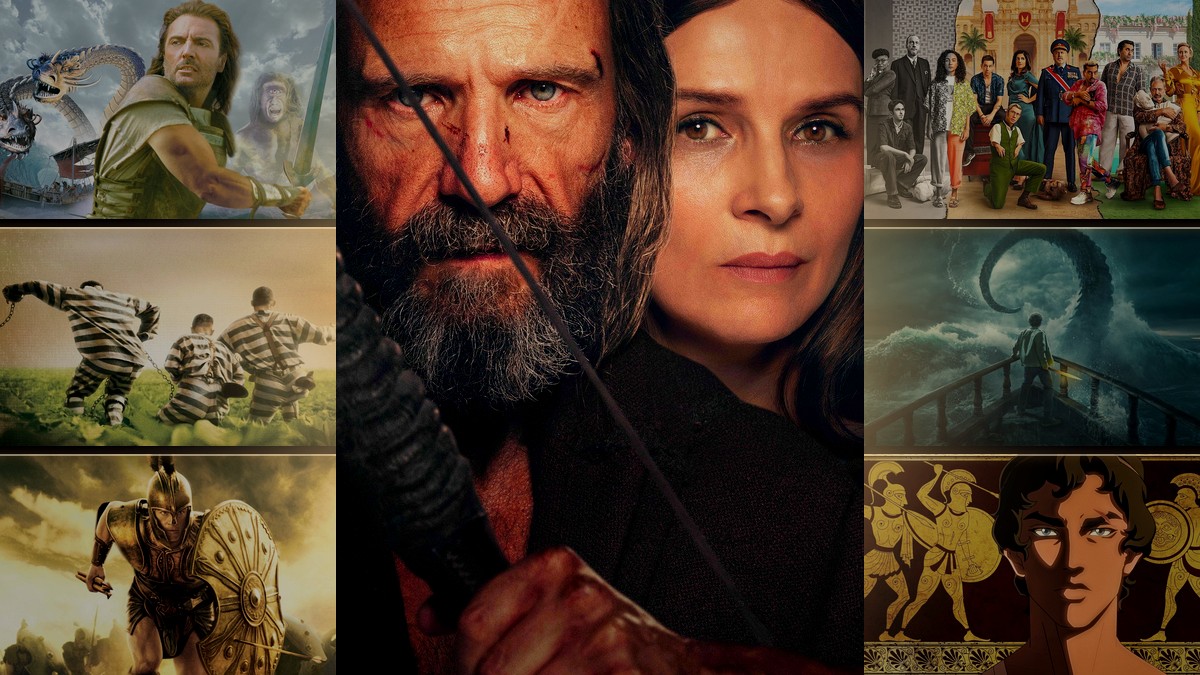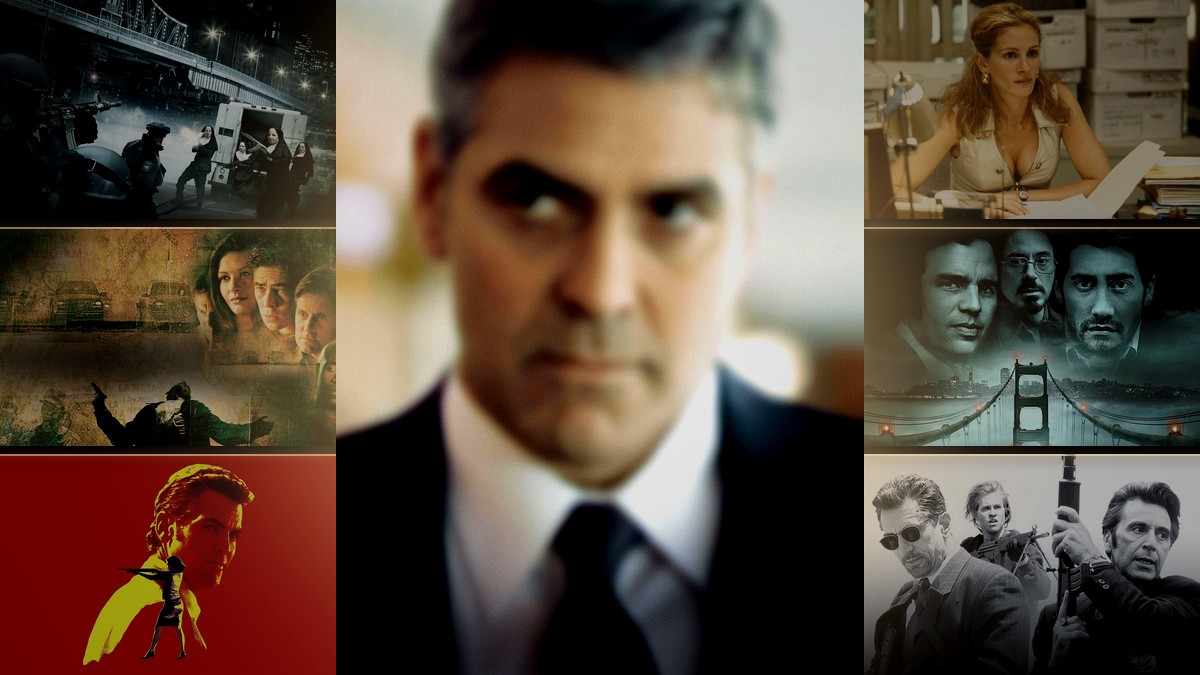


There's something almost defiant about a movie that just ends.
Not "ends until the sequel," not "ends but leaves a door open for the expanded universe." Just... ends. Characters go their separate ways. The story closes. You sit with it.
That used to be normal.
When Did Every Movie Become a Franchise?
The Marvel Cinematic Universe launched in 2008 and spent the next decade proving that serialized, interconnected moviemaking was enormously profitable. Studios noticed. By the mid-2010s, nearly every major release came pre-loaded with franchise ambitions — setup scenes for spinoffs, post-credits reveals, enough threads left dangling to sustain a wiki.
The math made sense from a business angle. A standalone film has to earn its budget back in one shot. A franchise property gets multiple bites: theatrical, streaming, merchandise, sequels, prequels, TV series. Why make one thing when you can make twelve?
Because sometimes one thing is the whole point.
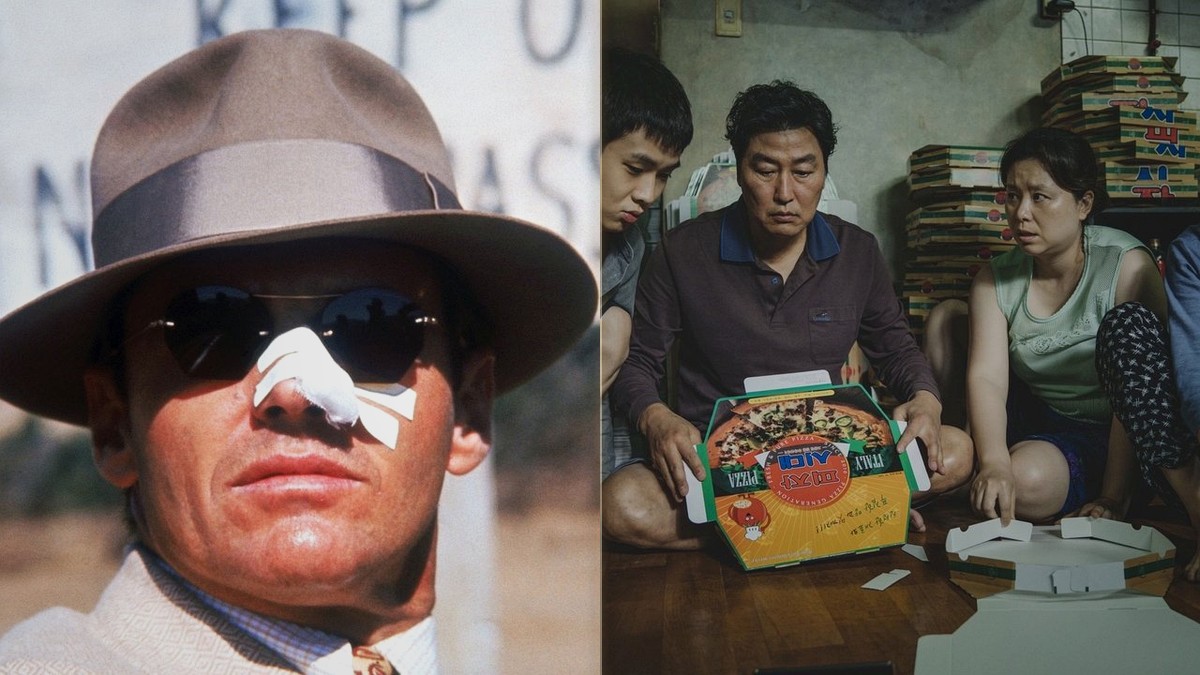
There's a reason Chinatown doesn't have a satisfying sequel (they tried — it's a mess). There's a reason The Shawshank Redemption doesn't need one. Some stories are shaped exactly like themselves, and adding more just dilutes what made them work. The ending isn't a cliffhanger waiting to be resolved. It's the payoff.
What Franchise Filmmaking Quietly Traded Away
Consequence.
When you know characters will return, nothing can fully stick. Tony Stark can almost die in Iron Man 3 — but he's confirmed for Avengers, so the stakes evaporate. The emotional math of the whole genre depends on the audience believing otherwise, and that gets harder to sustain over 30+ films.
Standalone movies don't have that problem. Heat ends the way it ends because there's no Heat 2 to set up. Parasite doesn't soften its landing because no sequel was greenlit. Whiplash can burn everything to the ground because Fletcher and Andrew exist only in that film, and what happens between them doesn't need to be franchise-compatible.
The willingness to actually end something — to not hedge — produces a different kind of filmmaking. Tighter. With actual stakes.
They Still Get Made. You Just Have to Find Them.
Standalone films haven't disappeared; they've migrated. A24 built an entire identity around them. International cinema never stopped making them. The problem isn't that they don't exist — it's that the marketing machine doesn't know what to do with them.
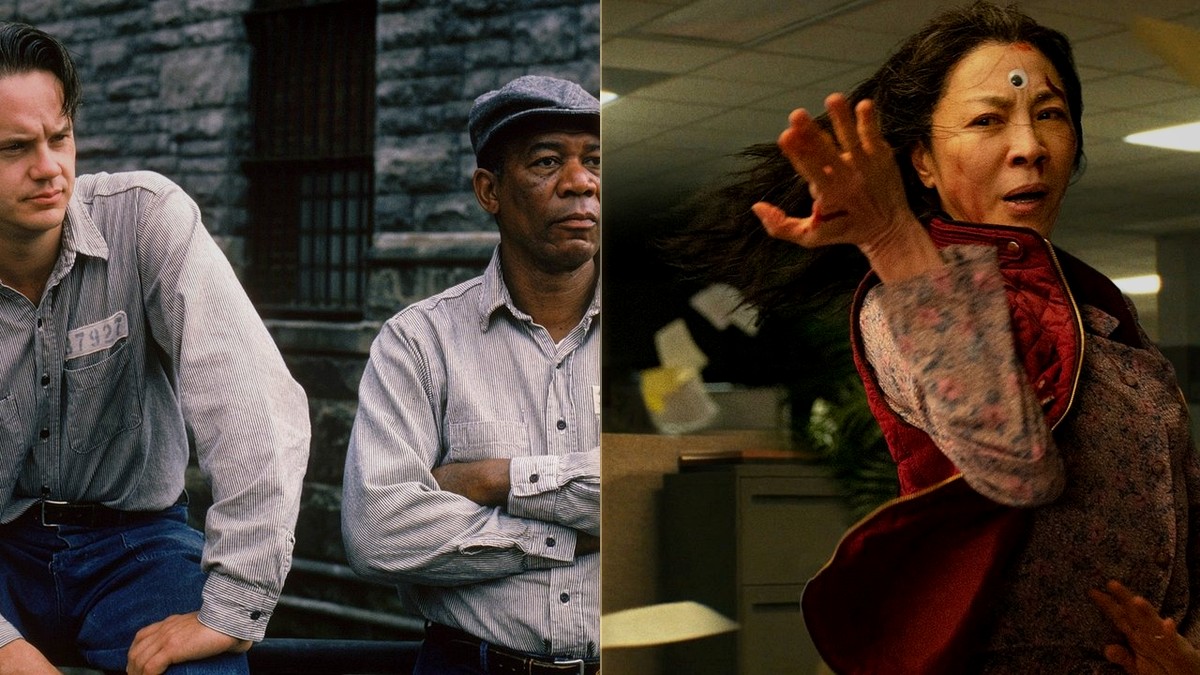
A24 can sell you Everything Everywhere All At Once or The Witch without explaining where it fits in a larger timeline. Films like Parasite, Drive My Car, or The Lives of Others aren't worried about sequel-proofing. Mid-budget adult dramas have mostly moved to streaming, where Marriage Story or Tár can find their audience without needing to open at $100M. (We got into the budget side of this in what happened to the mid-budget movie.)
If you know where to look, there's no shortage. But the algorithm doesn't help. Streaming services surface familiar IP. The theatrical calendar is dominated by sequels. The standalone film requires a small act of will to find.
This is largely what we're for.
10 Great Standalone Films to Watch Tonight
All complete stories. No homework required.
Parasite (2019) — Bong Joon-ho's class-warfare thriller is one of those films where the less you know going in, the better. It starts as a dark comedy and turns into something else entirely. Streaming on Max.
Heat (1995) — Michael Mann's crime epic runs nearly three hours and earns every minute. De Niro and Pacino in the same scenes, finally. One of the best final acts in American film. On Prime Video.
Whiplash (2014) — J.K. Simmons won the Oscar. Miles Teller should have been nominated. Damien Chazelle made this for $3.3M before La La Land and it's the better movie. On Netflix.
The Lives of Others (2006) — East Germany, 1984. A Stasi officer surveilling a playwright starts to change. Quiet, devastating, and one of the best films of the 2000s that most people haven't seen. On Tubi (free).
Zodiac (2007) — David Fincher's serial killer procedural isn't really about catching the Zodiac. It's about obsession eating people alive. The mystery doesn't resolve; the damage does. On Paramount+.
Annihilation (2018) — Alex Garland made one of the weirdest sci-fi films in years and Paramount quietly shunted it to streaming. It doesn't explain everything. That's the point. On Paramount+.
Marriage Story (2019) — Noah Baumbach's divorce film is almost unbearably honest. Johansson and Adam Driver each have one scene that will wreck you. On Netflix.
The Witch (2015) — Robert Eggers's debut. Slow, genuinely creepy, and completely committed to its 1630s New England setting. The ending pays off everything that came before. On Prime Video.
Knives Out (2019) — Rian Johnson's whodunit is the rare film that's also just fun. Daniel Craig having the time of his life. The sequels exist, but Knives Out tells a complete story and doesn't need them. On Prime Video.
Arrival (2016) — Denis Villeneuve's quiet alien-contact film is actually about time, language, and grief. One of the best sci-fi films of the last decade. On Paramount+.
One Good Reason to Watch Something You Know Nothing About
Part of what franchise culture did was make unfamiliarity feel like a liability. With serialized IP, you need homework — Phase 1, the wiki, at least a rough idea of who this character is. With standalone films, you just need two hours.
Walk in cold, walk out having experienced a complete thing. The film doesn't need you to commit to anything beyond tonight.
That's not a small thing.